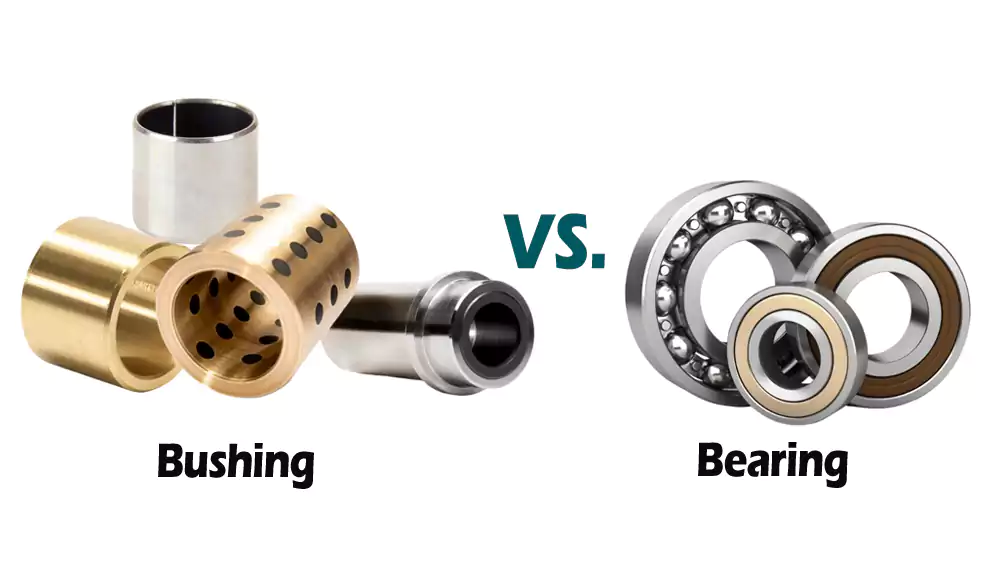
Bushing vs Bearing: What Is the Real Difference and How Do You Choose?

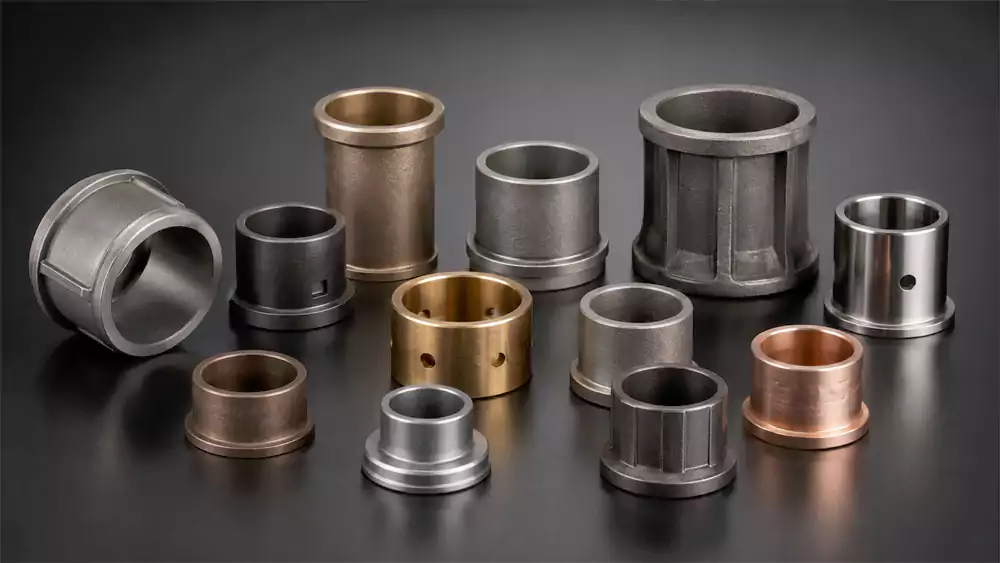
Bushings and bearings both reduce friction, but they serve different purposes. Bushings handle high loads at low speeds with simple, cost-effective designs, while bearings support higher speeds with greater efficiency. Choosing the right option depends on application factors like load, environment, lubrication, and budget.

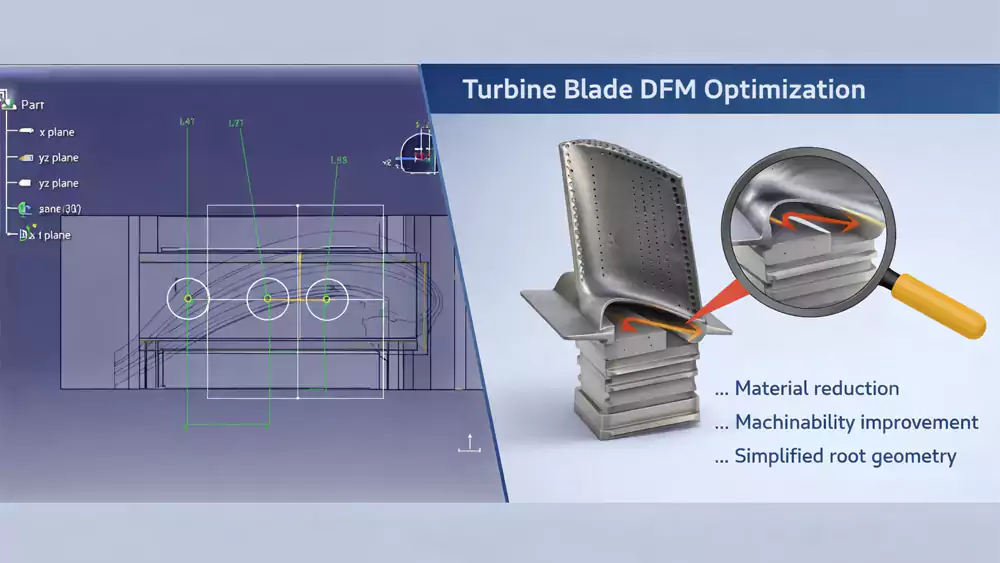
How Material Selection Impacts Turbine Blade Lifespan and Cost?

Material selection plays a critical role in determining turbine blade lifespan, performance, and total cost of ownership (TCO). This article explains how key material properties affect durability, compares common material options, and shows how the right choice can reduce long-term costs and downtime.

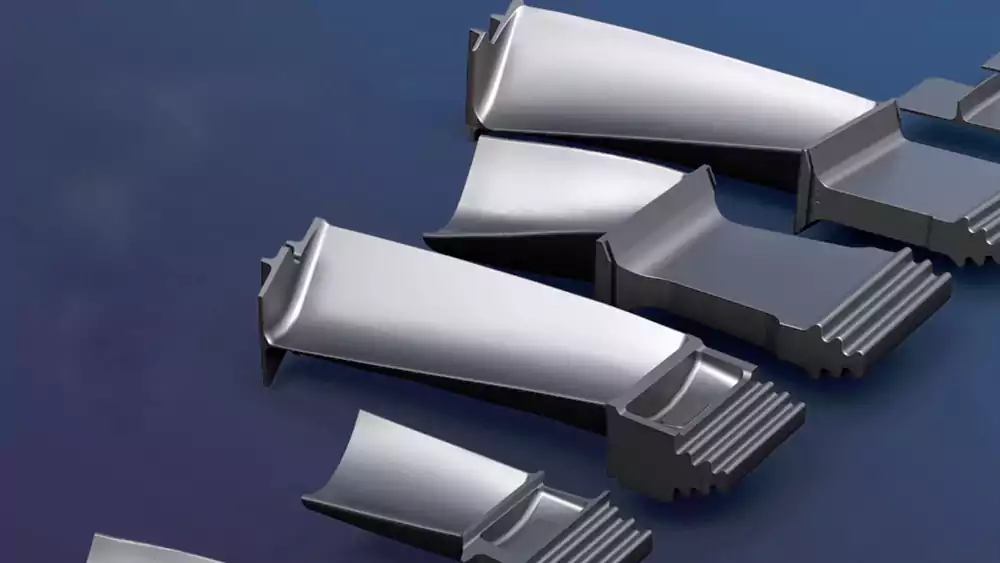
What Materials Are Used for Turbine Blades?

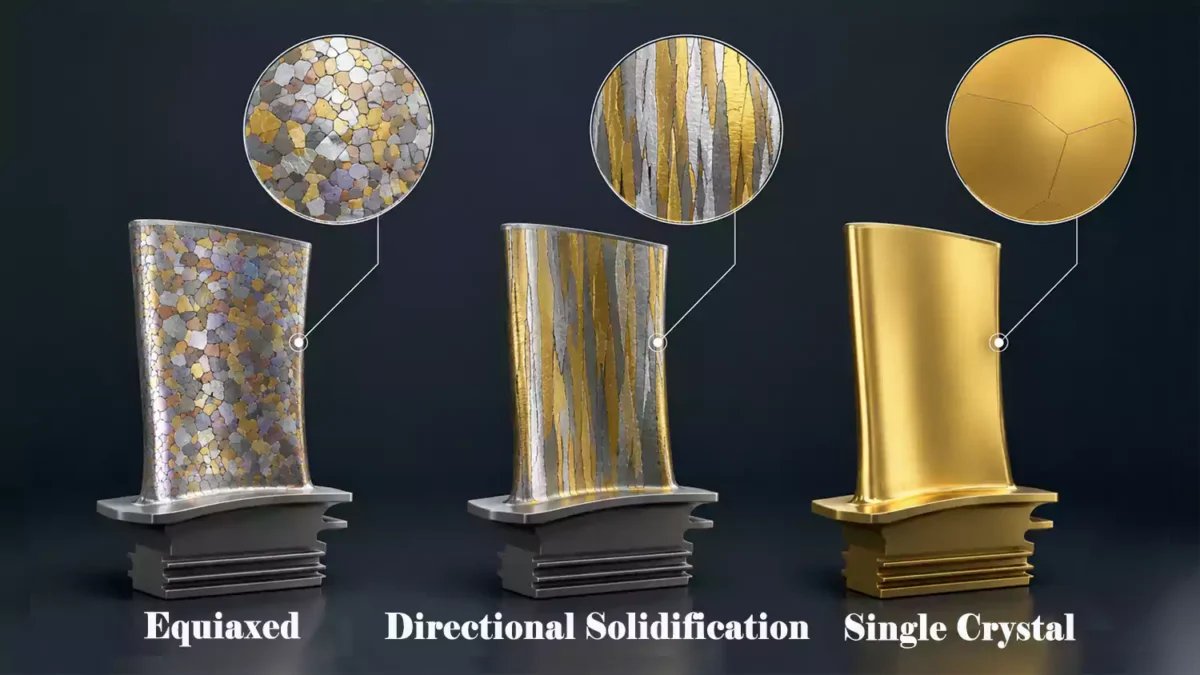
Turbine blades operate under extreme conditions such as high temperatures, stress, corrosion, and fatigue. This article explains common turbine blade materials—including superalloys, titanium alloys, and heat-resistant steels—and how engineers choose them based on operating conditions and turbine applications.

What Is Shear Stress and Why It Matters in Manufacturing?

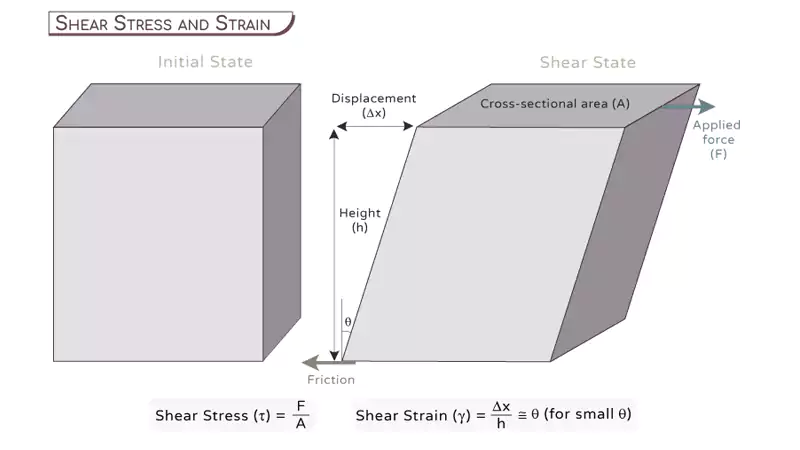
Shear stress plays a critical role in the performance and failure of metal components under side loads. This article explains what shear stress is, how it differs from tensile stress, where it occurs, and how manufacturing processes like investment casting influence its behavior. It also provides practical design insights and sourcing considerations to help engineers and buyers improve part reliability.

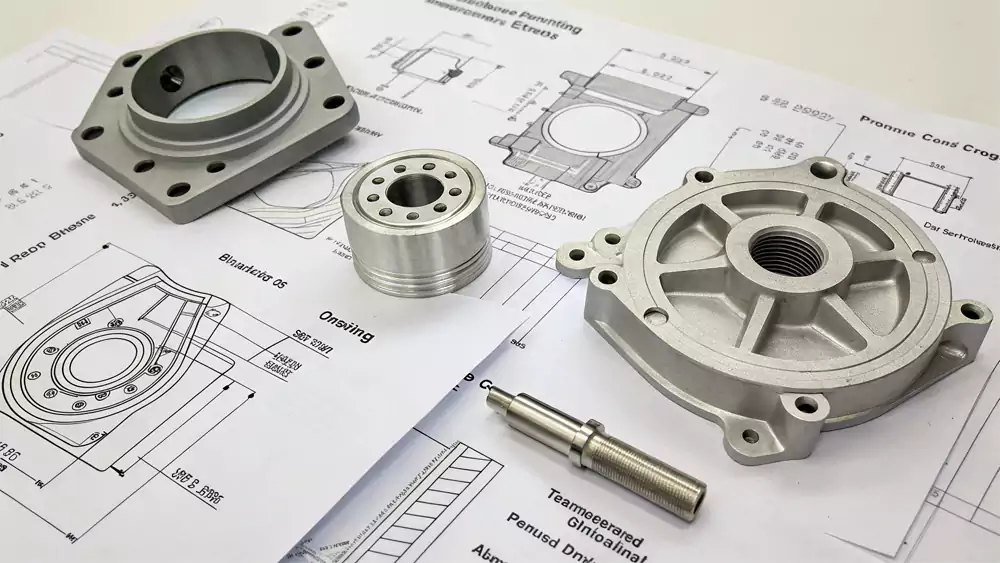
What Is Surface Polishing and How Does It Impact Precision Manufacturing?

Surface polishing is an essential manufacturing process that improves both function and appearance of precision components. This article explains the differences between polishing, buffing, and lapping, details how to measure quality using ISO standards like Ra and Rz, and shares practical cost-saving strategies through a real case study.

Anatomy of a CNC Spindle Bearing

What is a CNC Spindle?

A CNC spindle drives precision, power, and performance. Discover how the right spindle improves part accuracy, tool life, and surface finish for better machining results.

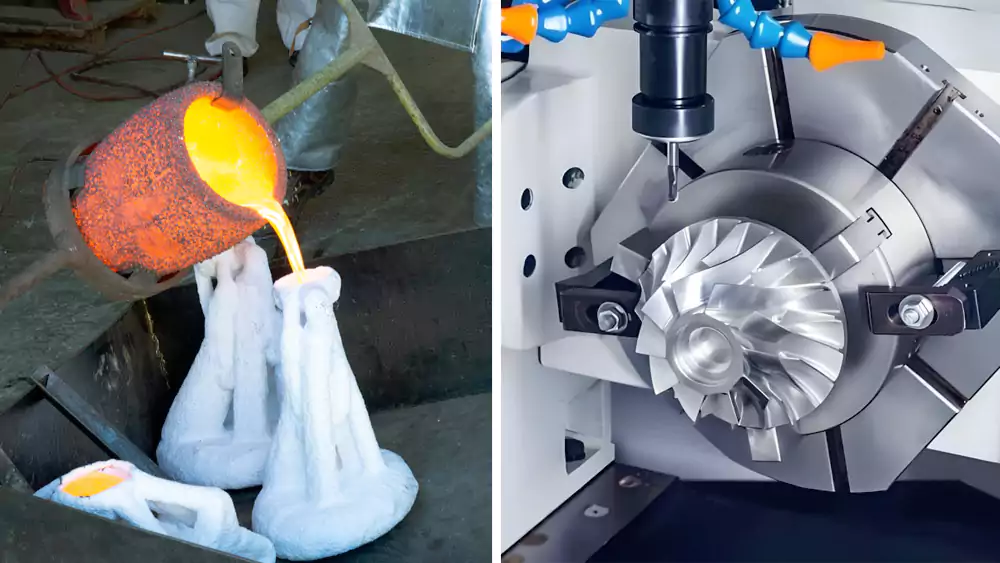
What is Stainless Steel Investment Casting and Why Does It Matter?

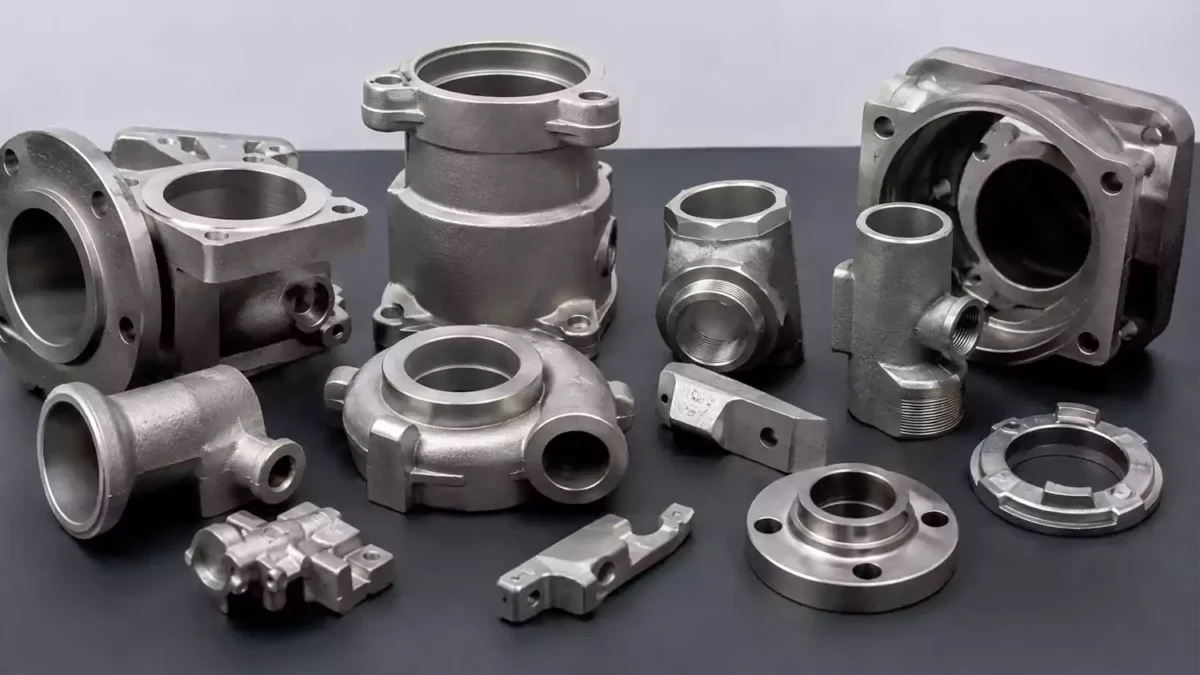
Stainless steel investment casting is a precision manufacturing process used to produce complex, corrosion-resistant parts with high accuracy and reduced machining. This article explains its process, benefits, materials, applications, and how it compares to other methods to help you choose the right solution.
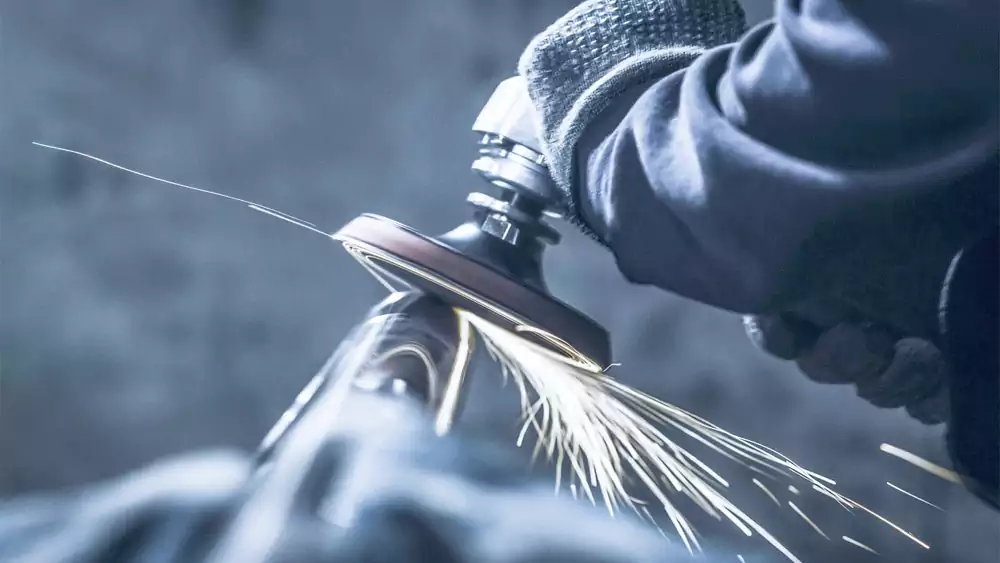
What is continuous casting?

Learn how continuous casting transforms molten metal into solid shapes efficiently. Explore its process, benefits, and role in modern metal production.

Steel Weight Calculation Formula: Steel and Nonferrous Metals Weight Calculations

Steel weight calculation formula

How to calculate the weight of metal materials? Don’t miss this complete list of steel weight calculation formulas! This article is a collection of weight calculation formulas for different types of steel and non-ferrous metals.

Investment Casting vs. Sand Casting

Investment Casting vs Sand Casting Process

Investment casting and sand casting are two common metal forming processes used in the manufacturing industry. They each have their own characteristics and are suitable for different production needs. So, how to choose the most suitable casting method?

Common casting defects and their prevention methods

Casting defects and prevention methods

This article details 15 common casting defects, their causes, and effective prevention methods. There is also an in-depth analysis of our customized automotive engine casting success stories.

Exploring the Future of Casting: Technological Innovations and Trends

Exploring the Future of Casting

In this blog, we’ll explore the key trends and innovations shaping the future of casting parts, including high-performance materials, quality control, and the rise of small-batch production.

Investment Casting and Miniature Parts

Investment casting and miniature parts

This paper explores how investment casting tackles the challenges of manufacturing micro parts and highlights its innovative applications in industries like medical, electronics, and aerospace. With its high-precision technology, investment casting offers the ideal solution for miniature parts, fueling growth across multiple industries.

Complete Guide to Precision Casting

Complete Guide to Precision Casting

Precision casting refers to the general term for the process of obtaining castings of precise dimensions. Relative to the traditional sand casting process, precision casting castings obtained more accurate size, and better surface finish.

Casting and Post-processing: Key to Ensuring Superior Performance of Castings

Casting and Post-processing

In casting production, achieving superior performance in the final product relies not only on the casting process itself but also on the crucial post-processing steps that follow. These processes work together to enhance the quality and durability of castings, ensuring they meet the demanding standards of various industries.

The 75th World Foundry Conference

The theme of the 75th World Foundry Conference is “Innovation and Sustainability: New Opportunities for the Foundry Industry”, aiming at injecting new vitality into the future development of the foundry industry.

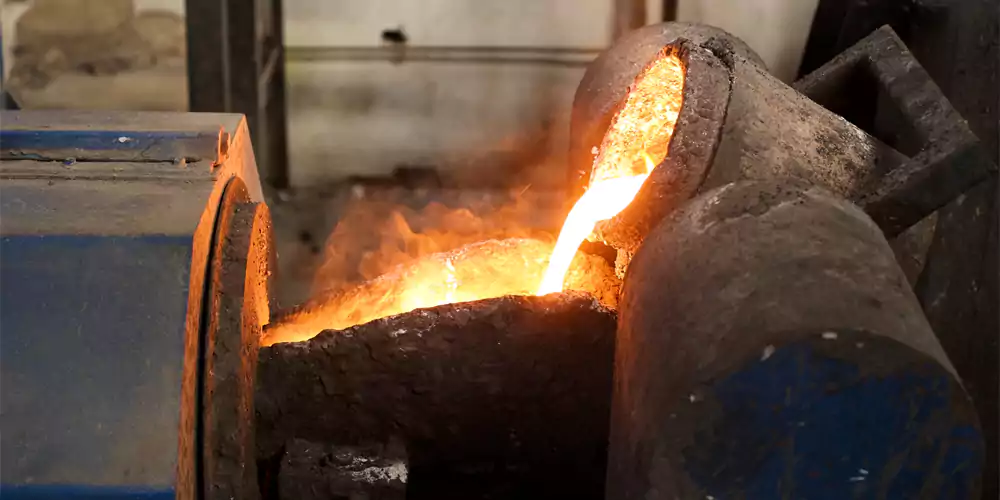
What is investment casting?

Investment casting, also known as investment casting or lost wax casting, is a process in which models are made from fusible materials such as wax and plastic.

滚动至顶部

Get A Free Quote

All uploads are secure and confidential

请在浏览器中启用JavaScript来完成此表单。
Click or drag a file to this area to upload.