
Many cast components fail too early in seawater, acid service, or chloride-rich systems. I have seen buyers spend more on repairs than the original casting cost.
Superaustenitic stainless steel offers excellent corrosion resistance, strong mechanical performance, and long service life in harsh chloride and acidic environments. It delivers near nickel-alloy performance at a lower cost, which makes it ideal for pumps, valves, offshore systems, and chemical processing castings.
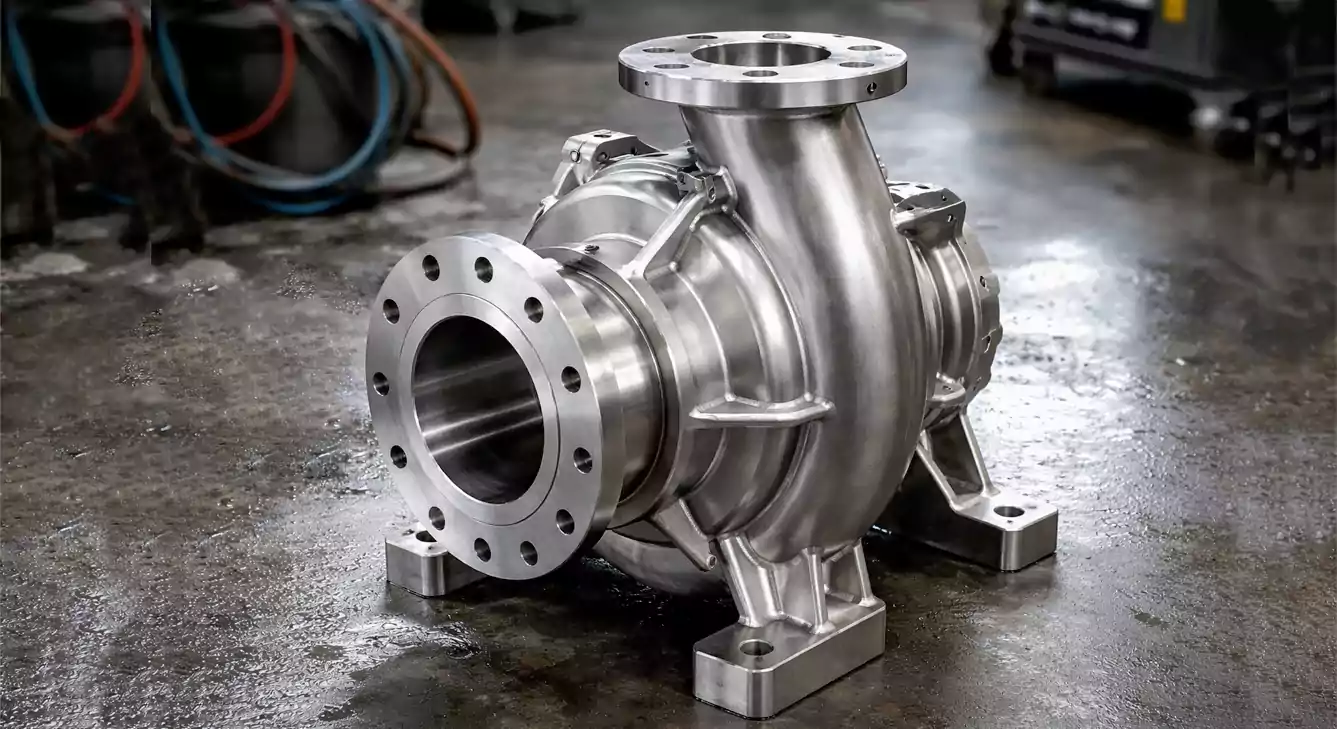
When I first worked with superaustenitic castings, I noticed something important. Many engineers wanted nickel alloys for safety. Yet most real operating conditions did not need that extreme level of alloying. Superaustenitic stainless steel often delivered the right balance between performance, machinability, and cost. That balance is why I still recommend it for many harsh-service projects today.
What Is Superaustenitic Stainless Steel?
Corrosion destroys ordinary stainless steel fast in chloride-rich environments. I have seen standard 316 castings pit within months in offshore systems.
Superaustenitic stainless steel is a high-alloy austenitic stainless steel that contains elevated levels of nickel, molybdenum, and nitrogen. These alloying elements greatly improve resistance to pitting, crevice corrosion, and stress corrosion cracking in aggressive industrial environments.
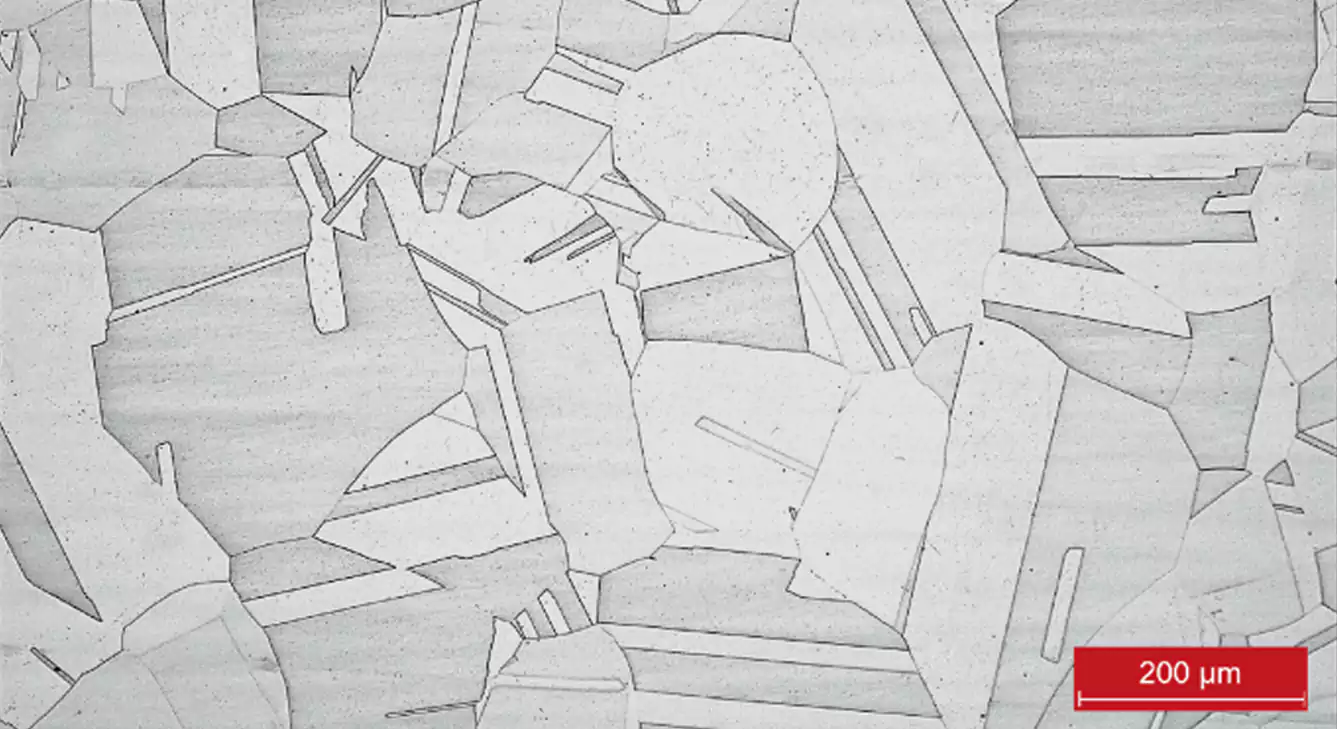
Why Superaustenitic Stainless Steel Was Developed
Traditional stainless steels like 304 and 316 work well in mild conditions. But industries such as offshore oil, chemical processing, and seawater desalination pushed those grades beyond their limits. Engineers needed a material with better chloride resistance without moving fully into expensive nickel alloys.
That need led to superaustenitic grades. These alloys use high levels of molybdenum and nickel. Nitrogen is also added to improve strength and corrosion resistance.1
Key Characteristics
| Property | Typical Performance |
|---|---|
| Corrosion Resistance | Excellent in chlorides and acids |
| Strength | Higher than standard 300 series |
| Weldability | Very good |
| Toughness | Excellent at low temperatures |
| Heat Resistance | Good for elevated temperatures |
| Machinability | Moderate |
PREN Value Matters
I often tell buyers to look at PREN values first when comparing corrosion-resistant alloys. PREN stands for Pitting Resistance Equivalent Number.
A simplified formula is:
PREN = %Cr + 3.3(%Mo) + 16(%N)
Higher PREN values usually mean better resistance to localized corrosion.2 Most superaustenitic grades have PREN values above 40. That places them close to some duplex and nickel alloys.
For readers comparing casting alloys, I also recommend reviewing these common stainless steel casting materials before selecting a grade for corrosive service conditions.
Common Superaustenitic Stainless Steel Grades?
Many sourcing teams struggle to compare grades because specifications look similar on paper. I faced the same confusion early in my career.
The most widely used superaustenitic stainless steel grades include 904L, 254 SMO, and 6XN. These alloys provide excellent resistance to chlorides, acids, and seawater while offering better cost efficiency than most nickel-based alloys.
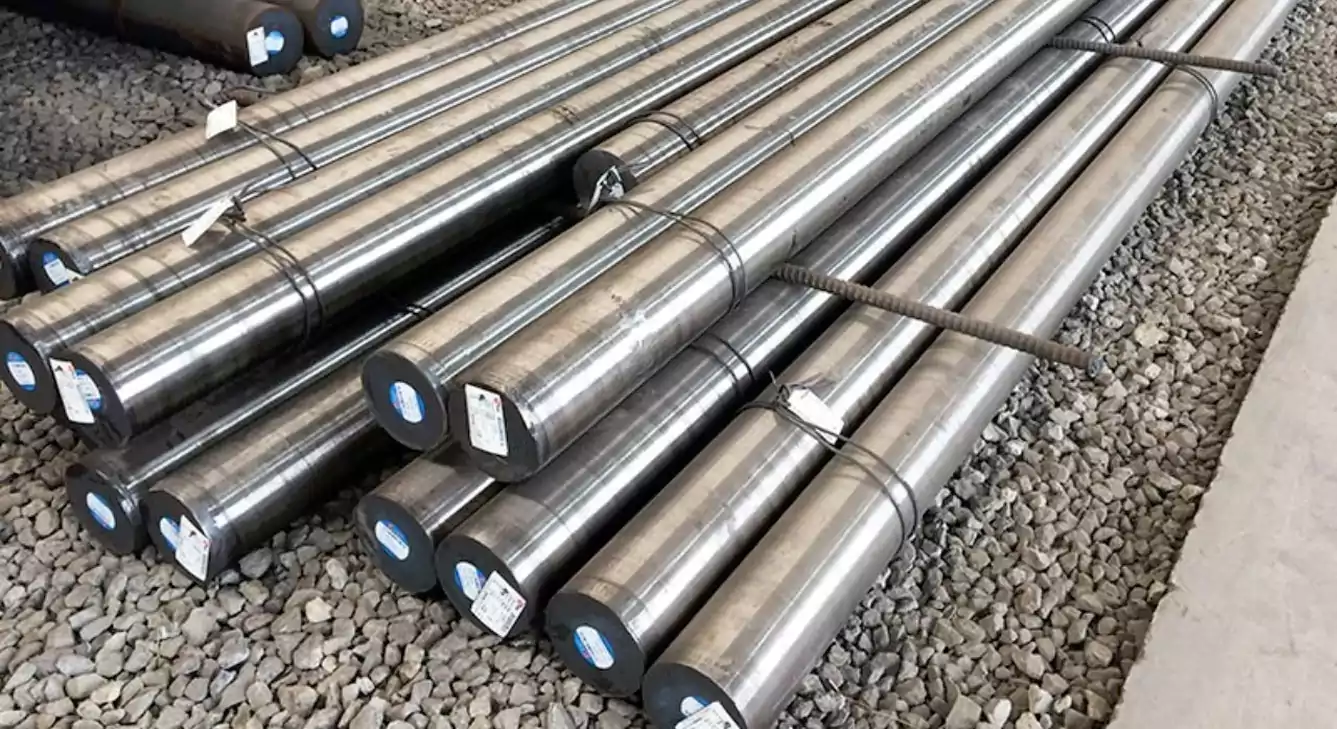
Alloy 904L
904L contains high nickel and molybdenum content. It performs very well in sulfuric acid environments. I often see it used in chemical processing systems.
| Element | Typical Content |
|---|---|
| Chromium | 19-23% |
| Nickel | 23-28% |
| Molybdenum | 4-5% |
| Copper | 1-2% |
Alloy 254 SMO
254 SMO has very high molybdenum and nitrogen content. It is widely used in seawater handling systems.
| Property | Value |
|---|---|
| PREN | >42 |
| Yield Strength | ~300 MPa |
| Chloride Resistance | Excellent |
| Seawater Service | Excellent |
Alloy 6XN
6XN is popular in desalination and power generation. It combines high corrosion resistance with good fabrication performance.
How I Compare Grades During Supplier Selection
When I review foundries for aerospace or energy projects, I focus on three things:
- Chemical composition control
- Ferrite management
- Inclusion cleanliness
Many foundries can pour superaustenitic alloys. Fewer can control segregation and hot cracking consistently.
Case Study: Custom Offshore Pump Housing
One project still stands out in my memory. The customer replaced duplex stainless steel after repeated crevice corrosion failures near weld joints.
| Parameter | Value |
|---|---|
| Component | Offshore Pump Housing |
| Material | ASTM A3513 CN3MN (6XN equivalent)4 |
| Casting Weight | 186 kg |
| Wall Thickness | 18-42 mm |
| Service Medium | Warm seawater |
| Operating Temperature | 52°C |
| Chloride Content | 22,000 ppm |
| Required Surface Finish | Ra 3.2 μm |
| NDT Requirement | 100% PT + RT |
An old foundry engineer with more than 25 years of experience suggested slower mold cooling near thick sections. That reduced micro-segregation and improved corrosion performance after solution treatment. The casting passed salt spray testing beyond 2,000 hours without pitting.
Superaustenitic Stainless Steel Manufacturing Process?
Even the best alloy fails if the casting process is poor. I learned this lesson after seeing a high-grade casting crack during heat treatment.
Superaustenitic stainless steel castings require strict control of melting, pouring, heat treatment, and inspection processes to maintain corrosion resistance, dimensional stability, and long-term reliability in critical applications.
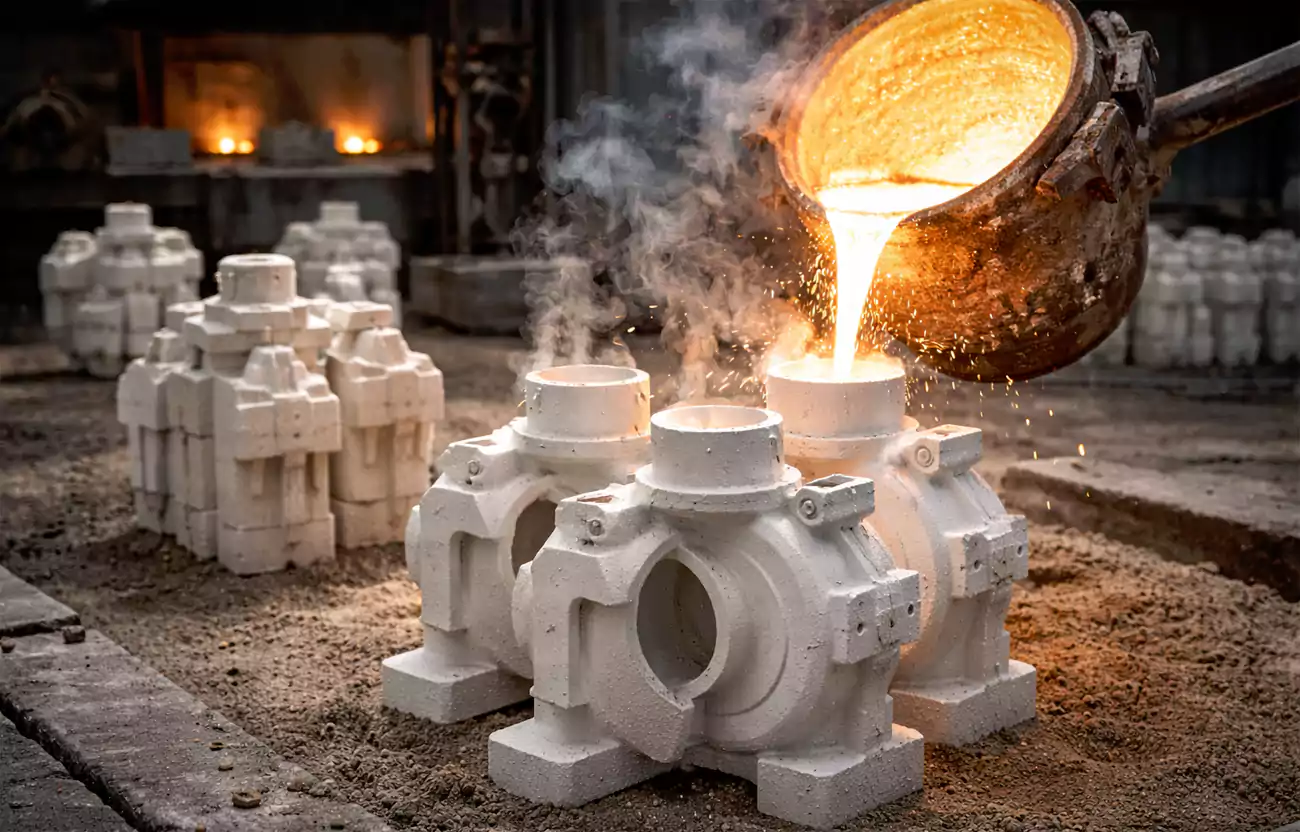
Melting and Alloy Control
Most superaustenitic castings use induction melting. Large foundries may also use AOD refining for tighter chemistry control.
The most sensitive elements are:
- Nitrogen
- Sulfur
- Carbon
- Molybdenum
Excess sulfur can reduce corrosion resistance badly. Carbon must stay low to prevent carbide precipitation.
Investment Casting Advantages
I prefer investment casting for complex superaustenitic parts because it provides:
| Benefit | Result |
|---|---|
| Tight tolerances | Less machining |
| Smooth surfaces | Better flow performance |
| Near-net shape | Lower waste |
| Complex geometry | More design freedom |
Heat Treatment Is Critical
Solution annealing is essential. Most grades require heating above 1150°C followed by rapid quenching.
Poor cooling rates can form sigma phase. That brittle phase destroys corrosion resistance.
Quality Inspection Steps
For high-spec castings, I usually recommend:
- PMI testing
- Radiographic testing
- Ferrite testing
- Dye penetrant inspection
- Mechanical testing
- ASTM corrosion testing
Common Manufacturing Challenges
| Challenge | Cause | Solution |
|---|---|---|
| Hot cracking | Wide freezing range | Controlled pouring |
| Segregation | Thick sections | Optimized cooling |
| Porosity | Gas entrapment | Better gating |
| Distortion | Uneven cooling | Fixture support |
For engineers evaluating production methods, this guide to stainless steel investment casting explains how the process improves dimensional accuracy and surface quality for complex components.
Applications of Superaustenitic Stainless Steel Castings?
Many engineers overpay for nickel alloys because they fear corrosion failure. In many cases, superaustenitic grades already solve the problem.
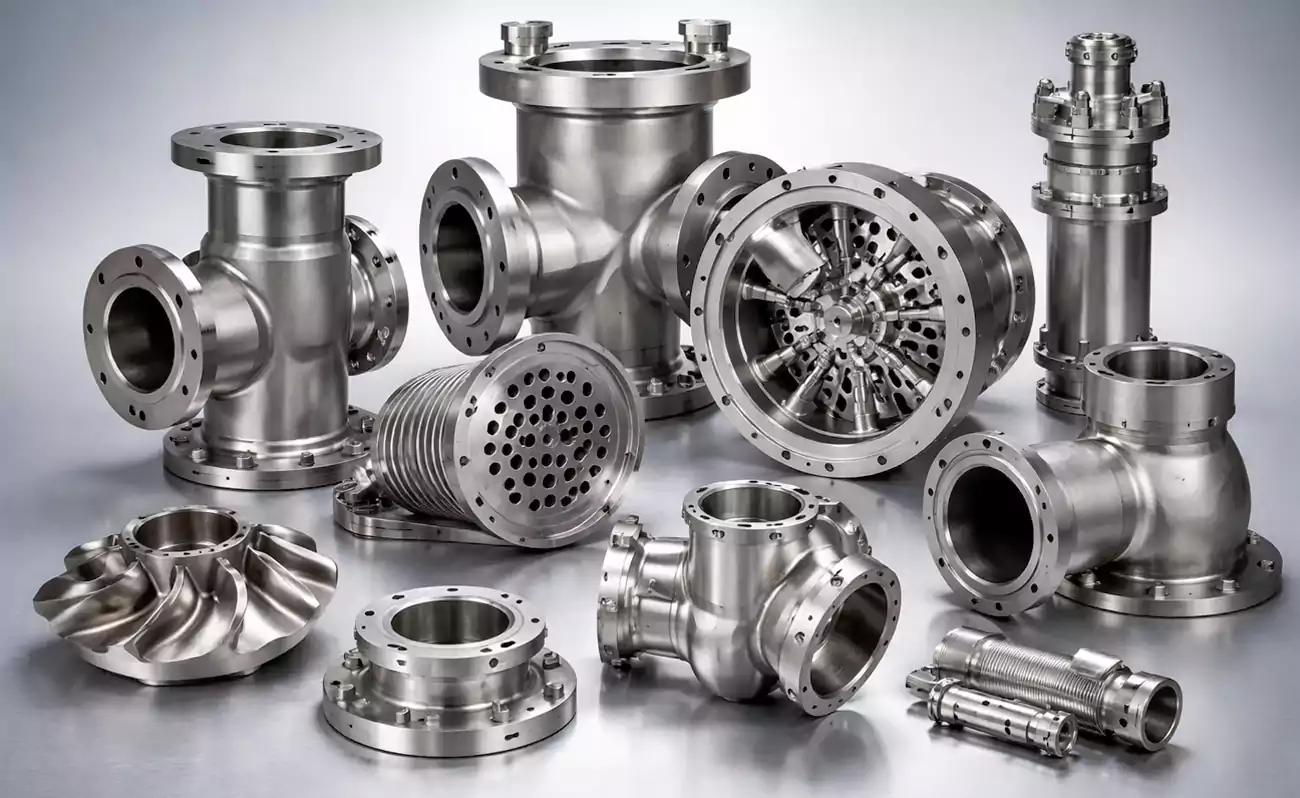
Superaustenitic stainless steel castings are commonly used in offshore systems, chemical plants, desalination facilities, and power generation equipment because they resist chloride corrosion, acidic media, and high-temperature operating conditions.
Offshore and Marine Equipment
Seawater systems are one of the biggest application areas.
Common parts include:
- Pump casings
- Valve bodies
- Impellers
- Heat exchanger parts
Chlorides attack standard stainless steel very quickly. Superaustenitic alloys resist pitting far better.
Chemical Processing Industry
I worked with one acid handling project where 316L failed every 10 months. Switching to 904L extended service life beyond six years.
Desalination Plants
Desalination combines heat, chlorides, and flow erosion. That mix is extremely aggressive.
| Application | Preferred Grade |
|---|---|
| Brine pumps | 254 SMO |
| Evaporator components | 6XN |
| Heat exchanger parts | 904L |
Power Generation
Flue gas desulfurization systems often contain acidic condensates. Superaustenitic alloys handle these conditions very well.
Food and Pharmaceutical Systems
Some high-purity systems also use these alloys because they provide excellent cleanability and corrosion resistance.
Superaustenitic Stainless Steel vs Duplex Stainless Steel?
Many buyers compare these two materials because both target harsh environments. I often help customers decide between them during early design reviews.
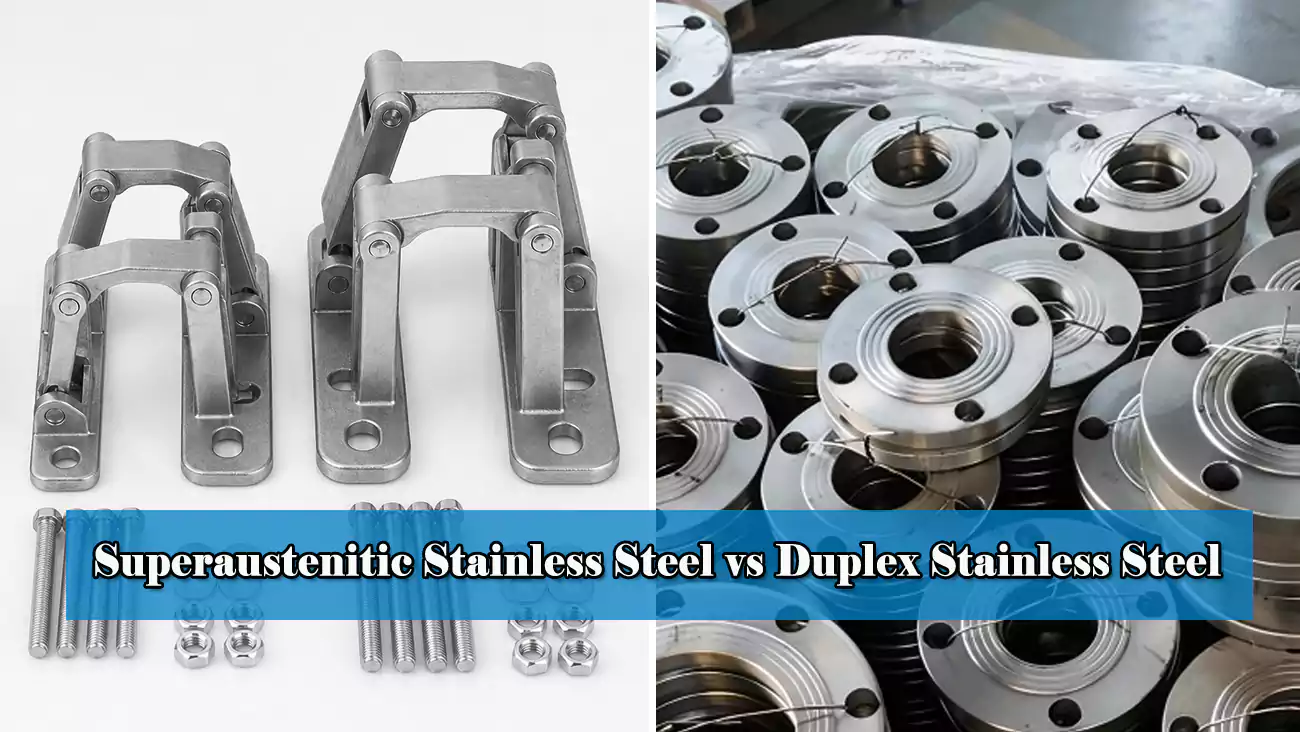
Superaustenitic stainless steel provides better corrosion resistance and easier fabrication, while duplex stainless steel offers higher strength and lower material cost. The right choice depends on chloride exposure, fabrication needs, and service life expectations.
Corrosion Resistance Comparison
Superaustenitic grades generally resist chlorides better than standard duplex grades.
| Property | Superaustenitic | Duplex |
|---|---|---|
| Pitting Resistance | Excellent | Very Good |
| Stress Corrosion Resistance | Excellent | Good |
| Weldability | Easier | More sensitive |
| Yield Strength | Moderate | High |
| Cost | Higher | Lower |
Fabrication Differences
Duplex stainless steel requires tighter welding heat input control. Too much ferrite imbalance can reduce toughness and corrosion resistance.
Superaustenitic alloys are usually easier to weld and machine.
Cost vs Performance
This is where the real decision happens.
Duplex gives lower raw material cost. Superaustenitic gives more corrosion safety margin.
For many chloride-rich systems, I tell customers this:
“Superaustenitic gives you duplex-level costs and near-nickel-alloy performance.”
That statement matches what I have seen in real projects over many years.
Custom Superaustenitic Stainless Steel Casting Services?
Many buyers struggle to find foundries that truly understand high-alloy casting behavior. I have seen expensive failures caused by poor process control.
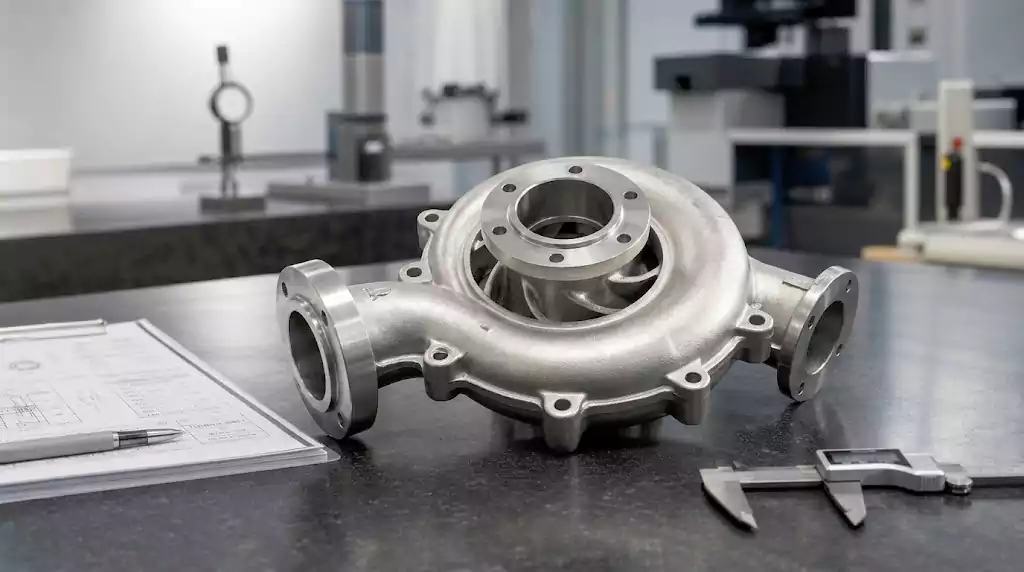
Reliable custom superaustenitic stainless steel casting services should provide strict alloy control, precision investment casting capability, complete inspection documentation, and stable heat treatment processes for long-term corrosion performance.
What I Look for in a Casting Partner
When qualifying a supplier, I focus on:
- Metallurgical expertise
- Traceable raw materials
- Heat treatment capability
- NDT experience
- Dimensional consistency
- Communication speed
Questions Buyers Should Ask
| Question | Why It Matters |
|---|---|
| Do you control ferrite levels? | Prevents corrosion problems |
| Can you provide ASTM certifications? | Confirms compliance |
| What NDT methods are available? | Reduces defect risk |
| Do you perform solution annealing in-house? | Improves consistency |
Prototype Support Matters
Rapid prototyping and 3D printed patterns help shorten development cycles. I use them often for complex geometries.
That approach reduces tooling risk before full production.
Long-Term Reliability
In my experience, the best casting suppliers do more than pour metal. They help optimize geometry, gating, machining allowances, and inspection plans early in the project.
That cooperation prevents expensive failures later.
Conclusion
Superaustenitic stainless steel castings fill the gap between standard stainless steel and costly nickel alloys. They deliver strong corrosion resistance, reliable casting performance, and long service life in harsh industrial environments. For many offshore, chemical, and seawater applications, they remain one of the smartest long-term material choices I have worked with.
Footnote on evidence:
-
"(PDF) Nitrogen Containing Austenitic Stainless Steels Austenitische ...", https://www.academia.edu/31606949/Nitrogen_Containing_Austenitic_Stainless_Steels_Austenitische_rostfreie_Stahle_mit_Stickstoff. Metallurgical literature describes nitrogen in austenitic stainless steels as an alloying element that increases strength through solid-solution strengthening and improves resistance to localized corrosion, particularly pitting, when combined with chromium and molybdenum. Evidence role: mechanism; source type: paper. Supports: Nitrogen is added to superaustenitic stainless steels to improve strength and corrosion resistance.. Scope note: The magnitude of the effect depends on alloy composition, heat treatment, and service environment. ↩
-
"Pitting Resistance Equivalent - an overview | ScienceDirect Topics", https://www.sciencedirect.com/topics/engineering/pitting-resistance-equivalent. Engineering and corrosion references use the Pitting Resistance Equivalent Number, commonly calculated from chromium, molybdenum, and nitrogen contents, as an empirical index for comparing relative resistance to chloride-induced pitting in stainless steels. Evidence role: definition; source type: institution. Supports: Higher PREN values generally indicate better resistance to localized corrosion.. Scope note: PREN is a comparative screening metric and does not by itself prove performance in a specific temperature, chloride concentration, surface condition, or fabrication state. ↩
-
"[PDF] Material - ASTM A351 CN3MN - Gravity Group of Companies", https://gravitycastindia.com/images/resources/ferrouspdf/ASTM%20A351%20CN3MN.pdf. ASTM A351 specifies stainless-steel castings for pressure-containing parts and includes grade CN3MN; materials cross-reference data identify CN3MN as a cast 6% molybdenum superaustenitic stainless grade comparable to 6XN/UNS N08367. Evidence role: definition; source type: institution. Supports: The offshore pump housing material was ASTM A351 CN3MN, described as a 6XN equivalent.. Scope note: The support establishes specification coverage and grade comparability; it does not prove that CN3MN is interchangeable with 6XN for every design code, heat treatment, or service condition. ↩
-
"AL-6XN - Wikipedia", https://en.wikipedia.org/wiki/AL-6XN. A recognized materials-grade reference that lists ASTM A351 CN3MN alongside UNS N08367/AL-6XN, with comparable nickel, chromium, molybdenum, and nitrogen ranges, supports identifying CN3MN as the cast counterpart of 6XN. Evidence role: definition; source type: institution. Supports: ASTM A351 CN3MN is a cast material grade equivalent or closely corresponding to 6XN / AL-6XN stainless steel.. Scope note: The equivalence is compositional and grade-family based; casting specifications and wrought 6XN products may differ in mechanical properties, heat treatment, and qualification requirements. ↩