
Many stainless steel parts look perfect at delivery but fail later due to corrosion, cracking, or poor machinability. That risk can lead to expensive delays and quality issues.
Austenitic stainless steel is a chromium-nickel stainless steel known for excellent corrosion resistance, high toughness, good weldability, and reliable machinability. Grades such as 304 and 316 are widely used for investment castings and precision-machined components because they perform well in demanding environments.
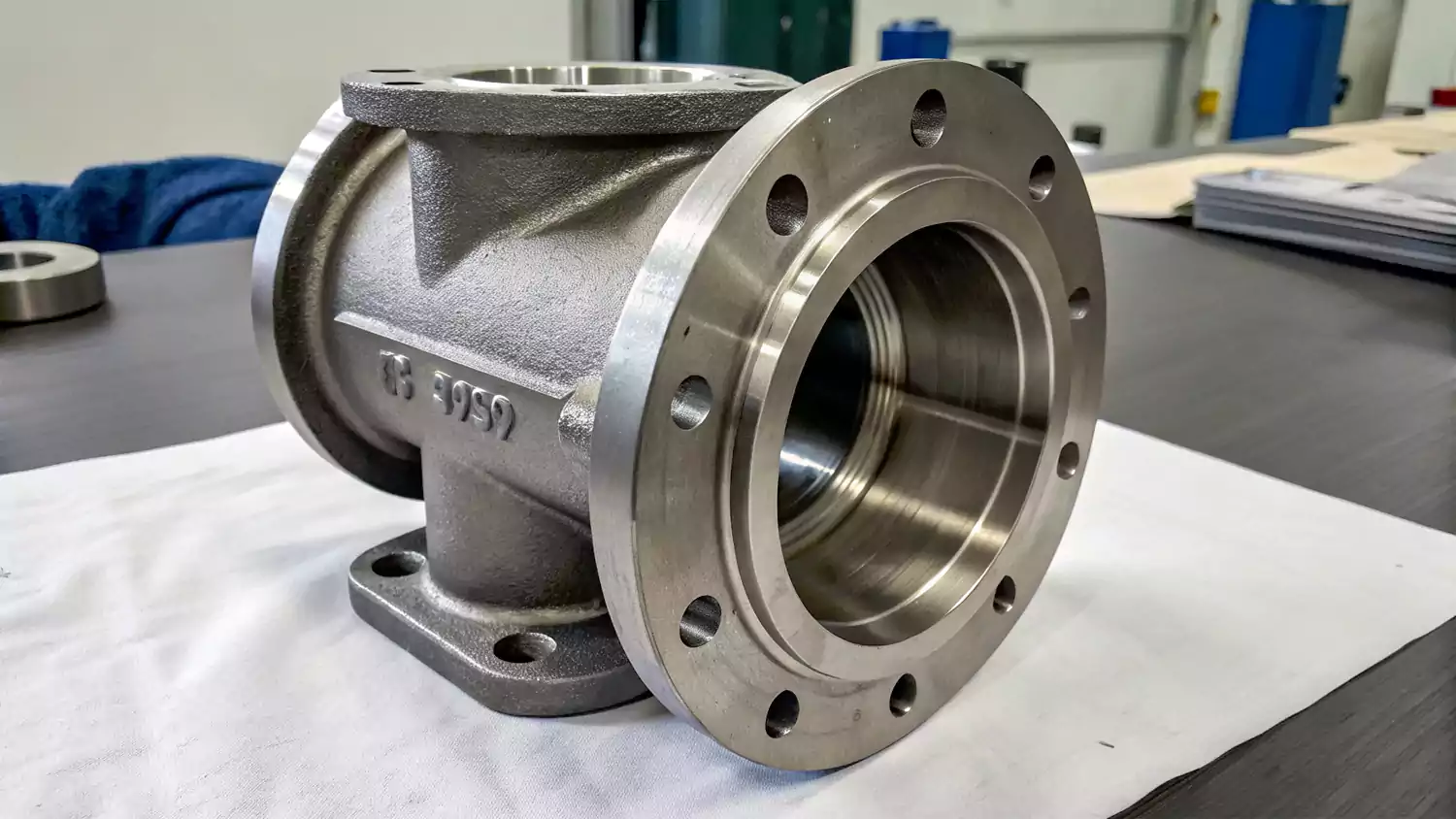
When customers ask me which stainless steel grade offers the safest long-term performance, I often point to austenitic stainless steel. It is not always the lowest-cost option. Still, it gives engineers and sourcing managers confidence because it resists rust, handles demanding environments, and performs consistently through casting, machining, and service life.
What Is Austenitic Stainless Steel?
Many buyers hear the term "austenitic" but struggle to understand what makes it different from other stainless steels. That can make material selection harder than it needs to be.
Austenitic stainless steel is a stainless steel family with a face-centered cubic crystal structure that provides excellent corrosion resistance, toughness, ductility, and weldability. It is the most commonly used stainless steel type in industrial manufacturing and investment casting applications.
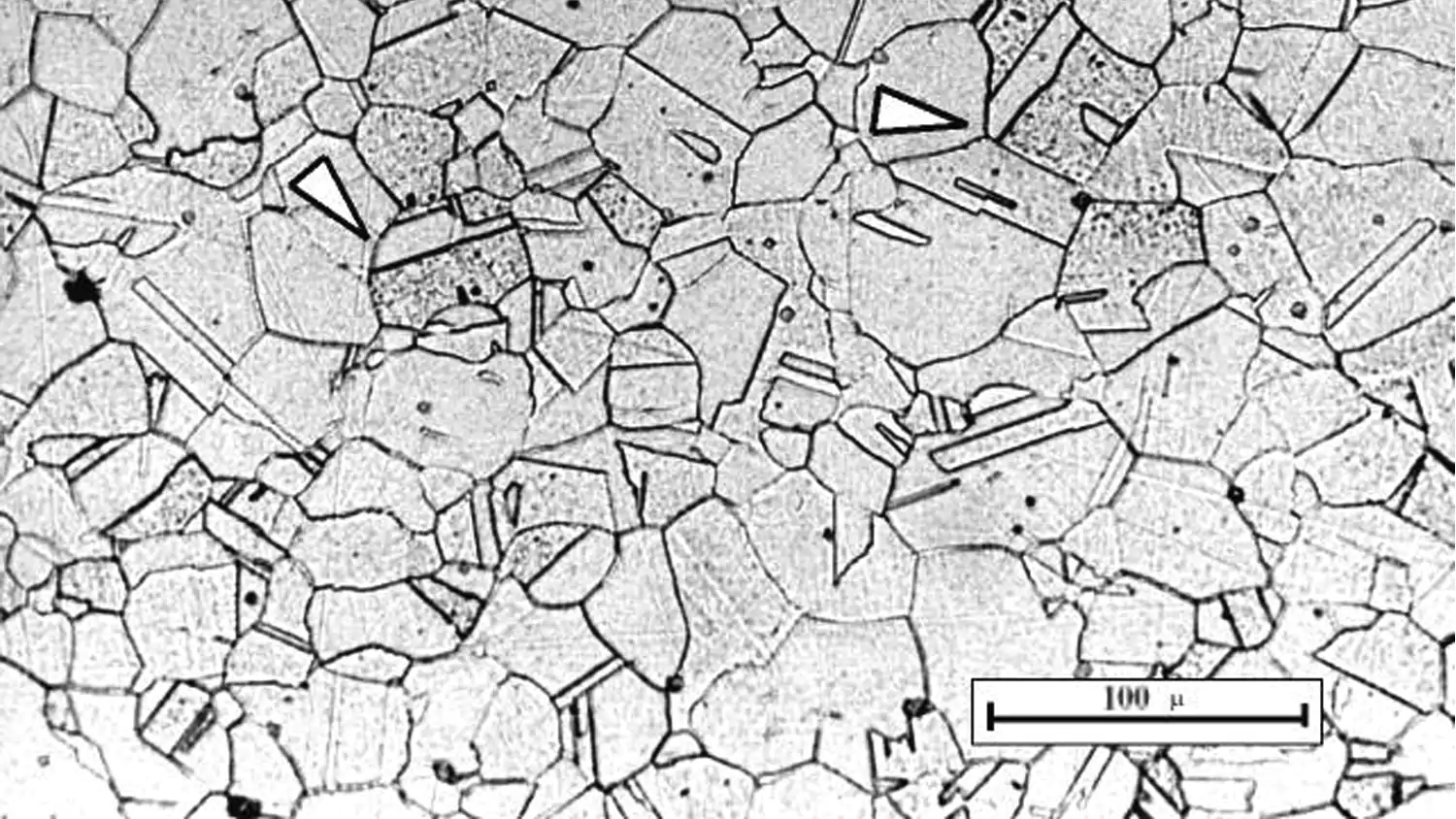
From my experience in investment casting, austenitic grades are often the easiest choice when customers need reliable corrosion resistance without complex heat treatment requirements. These alloys maintain good toughness even at low temperatures. They also resist cracking better than many alternative materials.
Key Characteristics of Austenitic Stainless Steel
| Property | Performance |
|---|---|
| Corrosion Resistance | Excellent |
| Toughness | Excellent |
| Weldability | Excellent |
| Machinability | Good |
| Magnetic Response | Generally Non-Magnetic |
| Heat Treatment Hardening | Not Applicable |
| Investment Casting Suitability | Excellent |
Austenitic stainless steels usually contain 16% to 26% chromium and 6% to 22% nickel.1 Some grades also include molybdenum, nitrogen, or manganese to improve performance. The high chromium content forms a passive oxide layer on the surface. This layer protects the metal from corrosion.
These characteristics explain why austenitic stainless steel remains the most specified stainless steel family worldwide.
Austenitic 300 Series Stainless Steels and Common Grades?
Choosing the wrong stainless steel grade can create unnecessary costs or performance issues. Many engineers know the 300 series but are unsure which grade fits their application.
The most common 300 series austenitic stainless steels are 304, 304L, 316, and 316L. Grade 304 is widely used for general industrial applications, while 316 and 316L offer better corrosion resistance in marine, chemical, and chloride-rich environments.
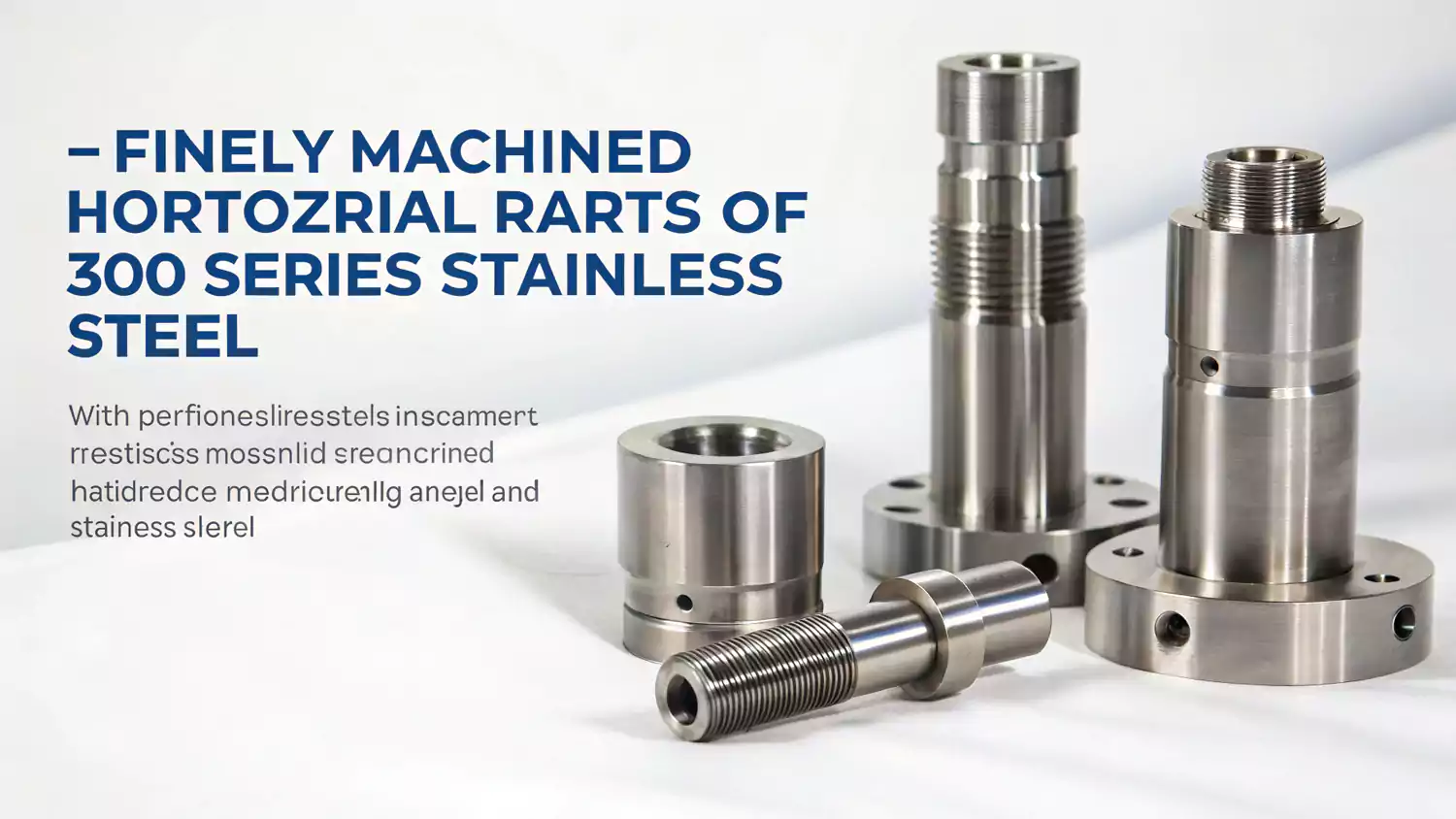
The 300 series dominates both investment casting and CNC machining projects. Each grade serves different operating conditions.
For engineers evaluating material options for precision cast components, understanding the differences between common stainless steel casting materials can help reduce both manufacturing risk and long-term maintenance costs.
Common Austenitic Grades
| Grade | Main Alloy Elements | Typical Applications |
|---|---|---|
| 304 | 18% Cr, 8% Ni | General industrial parts |
| 304L | Low Carbon 304 | Welded structures |
| 316 | Cr, Ni, Mo | Marine and chemical equipment |
| 316L | Low Carbon 316 | Medical and corrosion-critical parts |
| 321 | Titanium Stabilized | High-temperature components |
Case Study: Custom Valve Body for Offshore Equipment
A few years ago, I worked with a sourcing manager for an offshore fluid control project. The original design used carbon steel. Corrosion testing showed rapid degradation in a salt-rich environment.
We switched the design to investment-cast 316L stainless steel.
| Parameter | Value |
|---|---|
| Component | Valve Body |
| Material | ASTM A351 CF3M (316L Cast Equivalent) |
| Casting Weight | 2.8 kg |
| Overall Dimensions | 180 × 120 × 95 mm |
| CNC Tolerance | ±0.03 mm |
| Operating Temperature | -20°C to 120°C |
| Chloride Exposure | Continuous |
| Annual Quantity | 12,000 pcs |
A foundry expert with more than 25 years of casting experience reviewed the design and recommended optimized gating to reduce shrinkage porosity. The final casting achieved a radiographic acceptance rate above 98%. The customer has reported no corrosion-related failures after more than five years in service.
This case highlights why 316L remains one of the most trusted materials for demanding environments2.
Austenitic vs Martensitic vs Superaustenitic Stainless Steel?
Many material selection discussions focus only on corrosion resistance. That can overlook other important factors such as hardness, toughness, and manufacturing requirements.
Austenitic stainless steel provides the best balance of corrosion resistance and toughness, martensitic stainless steel offers higher hardness and wear resistance, and superaustenitic stainless steel delivers exceptional corrosion resistance in highly aggressive chemical and marine environments.
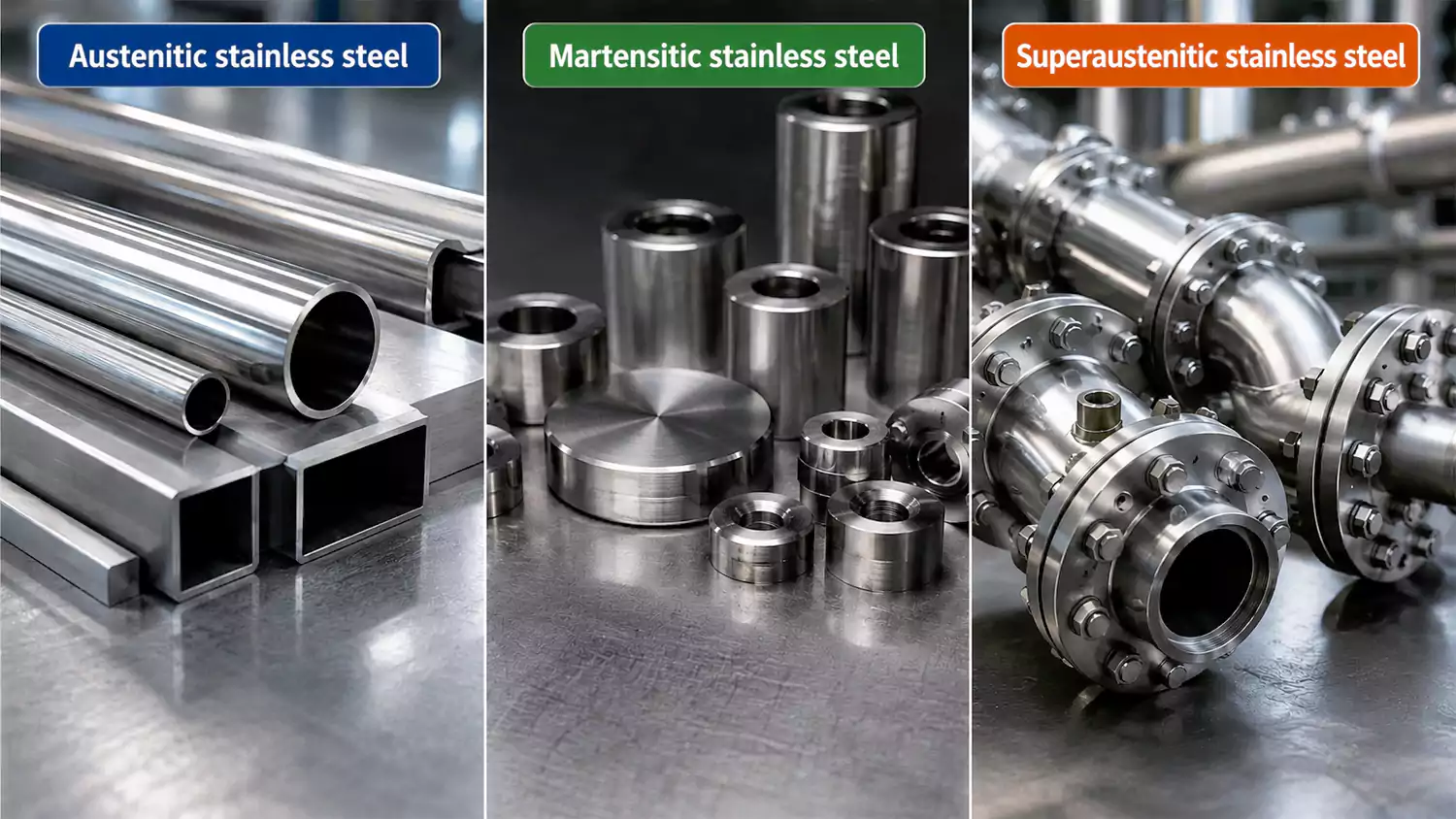
I often explain these differences to customers during material reviews because each family serves a different purpose.
Stainless Steel Family Comparison
| Property | Austenitic | Martensitic | Superaustenitic |
|---|---|---|---|
| Corrosion Resistance | Excellent | Moderate | Outstanding |
| Toughness | Excellent | Moderate | Excellent |
| Hardness | Moderate | High | Moderate |
| Weldability | Excellent | Fair | Good |
| Cost | Medium | Medium | High |
| Casting Performance | Excellent | Good | Good |
In applications where chloride exposure, seawater contact, or aggressive chemicals exceed the limits of standard 316L, many engineers begin evaluating superaustenitic stainless steel castings for their superior resistance to pitting and crevice corrosion.
When to Choose Each Type
Austenitic Stainless Steel
- General industrial applications
- Food processing equipment
- Marine hardware
- Investment cast precision parts
Martensitic Stainless Steel
- Cutting tools
- Wear-resistant components
- Pump shafts
- Valve seats
Superaustenitic Stainless Steel
- Desalination systems
- Chemical processing plants
- Offshore platforms
- Severe chloride environments
For most investment casting projects, standard austenitic grades provide the best balance between performance and cost.
Why Austenitic Stainless Steel Is Ideal for Investment Casting and CNC Machining?
Many materials perform well in theory but become difficult to manufacture consistently. Production efficiency matters just as much as material properties.
Austenitic stainless steel is ideal for investment casting and CNC machining because it offers excellent mold filling, strong resistance to cracking, stable dimensional performance, and reliable machining characteristics for complex precision components.
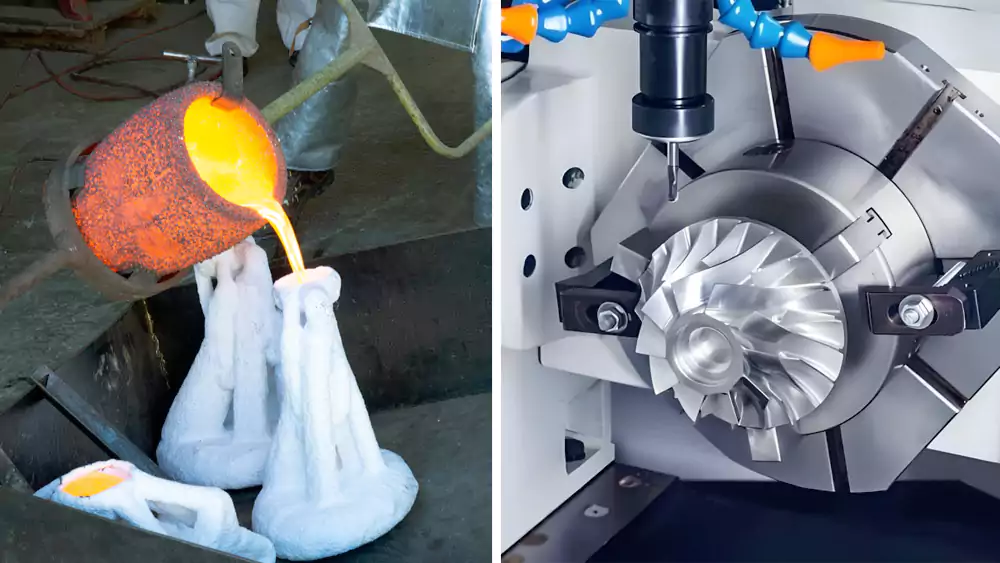
I have seen many successful casting programs built around austenitic grades because they offer predictable manufacturing behavior.
Advantages for Investment Casting
Excellent Flow Characteristics
Molten austenitic stainless steel fills thin sections and intricate geometries effectively3. This helps produce complex near-net-shape components.
Reduced Risk of Cracking
The material's ductility helps reduce stress-related cracking during cooling and post-processing.
Strong Surface Finish
Investment cast austenitic stainless steel typically achieves high-quality surface finishes that reduce secondary processing requirements.
Advantages for CNC Machining
| Machining Factor | Benefit |
|---|---|
| Stable Material Structure | Consistent cutting performance |
| Good Ductility | Reduced brittleness |
| Fine Surface Finish | Improved appearance |
| Tight Tolerance Capability | Better dimensional control |
Modern CNC equipment can machine cast 304 and 316 stainless steel components to extremely tight tolerances. This combination allows manufacturers to achieve both complex geometry and precision dimensions while minimizing material waste.
Industrial Applications and Material Selection Guide?
Selecting the wrong material can create expensive quality problems. The best choice depends on the operating environment, performance requirements, and total lifecycle cost.
Austenitic stainless steel is widely used in food processing, medical equipment, aerospace, marine systems, chemical processing, and energy industries because it combines corrosion resistance, durability, and long service life across diverse operating environments.
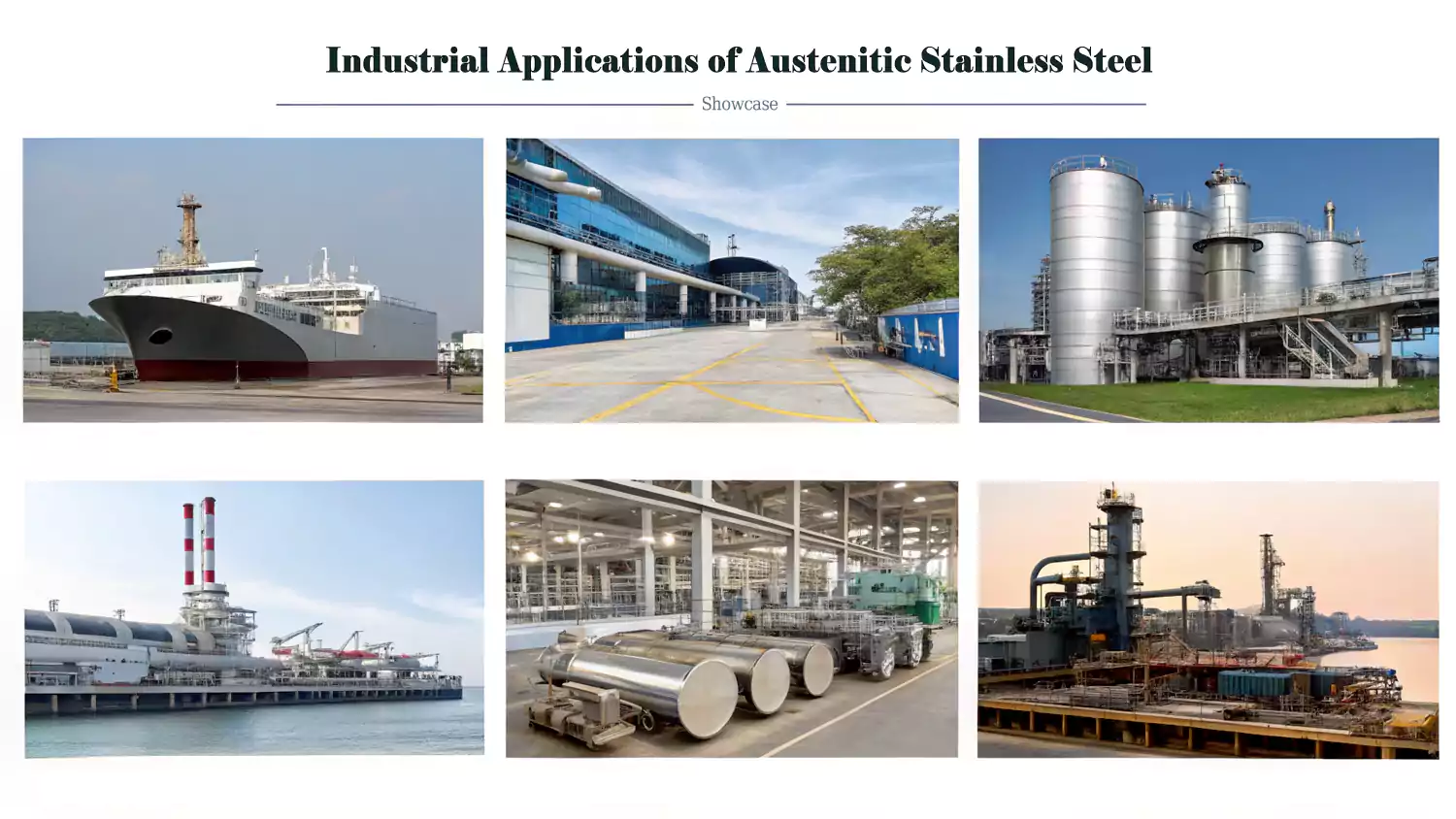
Over the years, I have noticed that successful projects start with understanding the service environment before discussing cost.
Typical Industry Applications
| Industry | Common Grades |
|---|---|
| Food Processing | 304, 316L |
| Medical Devices | 316L |
| Aerospace | 304L, 321 |
| Marine Equipment | 316, 316L |
| Chemical Processing | 316L, Superaustenitic |
| Energy Sector | 304L, 316L |
Material Selection Guidelines
Choose 304 When:
- Cost is important
- Corrosion exposure is moderate
- Indoor environments dominate
Choose 316 or 316L When:
- Chlorides are present
- Outdoor exposure is severe
- Long service life is critical
Consider Superaustenitic Grades When:
- Corrosion risk is extreme
- Chemical concentrations are high
- Downtime costs exceed material costs
When sourcing investment cast components, I often tell customers that austenitic stainless steel is not the cheapest solution. It is usually the material that gives the fewest surprises over the life of the product. If you do not want to worry about rust, cracking, or premature failure years later, it is often the material you can specify with confidence and move on.
Conclusion
Austenitic stainless steel continues to be the benchmark material for investment casting and precision machining because it delivers a proven combination of corrosion resistance, toughness, manufacturability, and long-term reliability. While it may not always be the lowest-cost option, it is often the material that helps engineers avoid future problems and achieve dependable performance throughout the life of a component.
Footnote on evidence:
-
"Stainless steel - Wikipedia", https://en.wikipedia.org/wiki/Stainless_steel. A metallurgical reference or stainless-steel standards overview can support that common austenitic stainless steels are chromium-nickel alloys and give typical chromium and nickel composition ranges for the family. Evidence role: definition; source type: institution. Supports: Austenitic stainless steels usually contain 16% to 26% chromium and 6% to 22% nickel.. Scope note: Composition varies substantially by grade, so the source should be used to support the stated range as a general family description rather than as a rule for every austenitic alloy. ↩
-
"[PDF] Corrosion of Stainless Steel Type 316L in a Seepage Water ...", https://www.nrc.gov/docs/ML1124/ML112490377.pdf. Materials references describe 316/316L stainless steel as a molybdenum-bearing austenitic grade with improved resistance to pitting and crevice corrosion in chloride-containing environments, supporting its common use in marine and chemical service. Evidence role: mechanism; source type: paper. Supports: 316L is suitable and commonly trusted for demanding environments such as chloride-rich offshore service.. Scope note: This supports the corrosion-resistance rationale for selecting 316L, but it does not independently verify the specific valve-body case history or absence of failures. ↩
-
"Experimental Study of the Filling of Thin-Walled Investment Castings ...", https://www.academia.edu/108997385/Experimental_Study_of_the_Filling_of_Thin_Walled_Investment_Castings_in_17_4PH_Stainless_Steel. A peer-reviewed or institutional casting reference should support that investment casting is suitable for producing thin-walled, geometrically complex stainless-steel components, while noting that achievable fill depends on alloy grade, mold temperature, gating design, and section thickness. Evidence role: mechanism; source type: paper. Supports: Molten austenitic stainless steel can fill thin sections and intricate geometries effectively in investment casting.. Scope note: This would support the general casting-process capability and common stainless-steel use, but may not directly prove identical flow behavior for every austenitic stainless grade. ↩