Precision Casting: Techniques, Types, and Key Differences Explained
Discover the precision casting process and its advantages in creating complex metal parts with tight tolerances, excellent surface finish, and high accuracy.
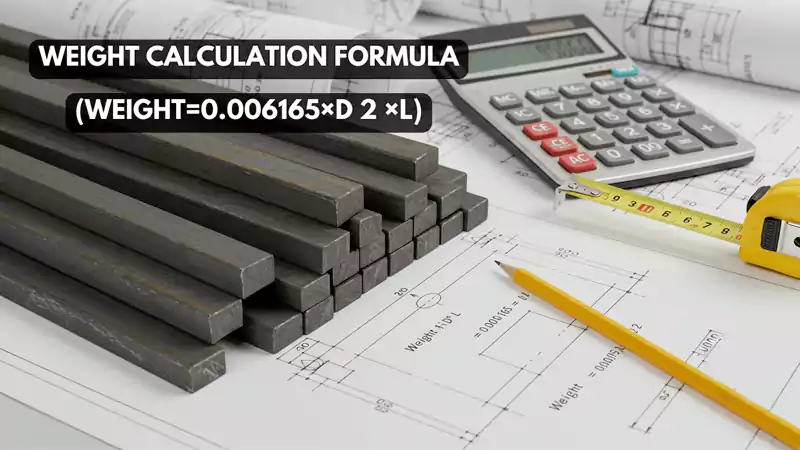
How to calculate the weight of metal materials? Don’t miss this complete list of steel weight calculation formulas! This article is a collection of weight calculation formulas for different types of steel and non-ferrous metals.
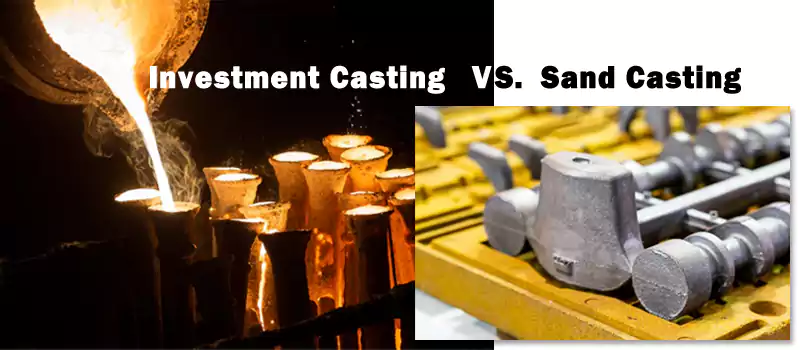
Investment casting and sand casting are two common metal forming processes used in the manufacturing industry. They each have their own characteristics and are suitable for different production needs. So, how to choose the most suitable casting method?
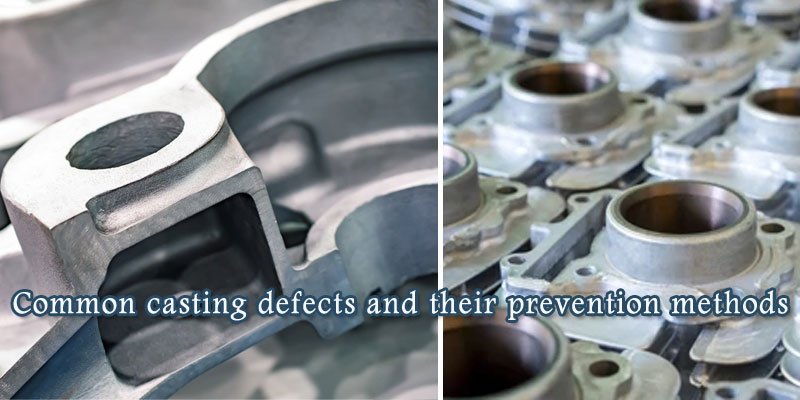
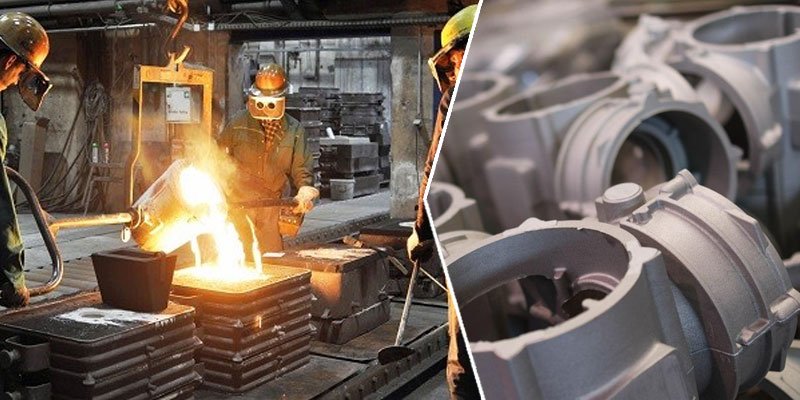
This article details 15 common casting defects, their causes, and effective prevention methods. There is also an in-depth analysis of our customized automotive engine casting success stories.
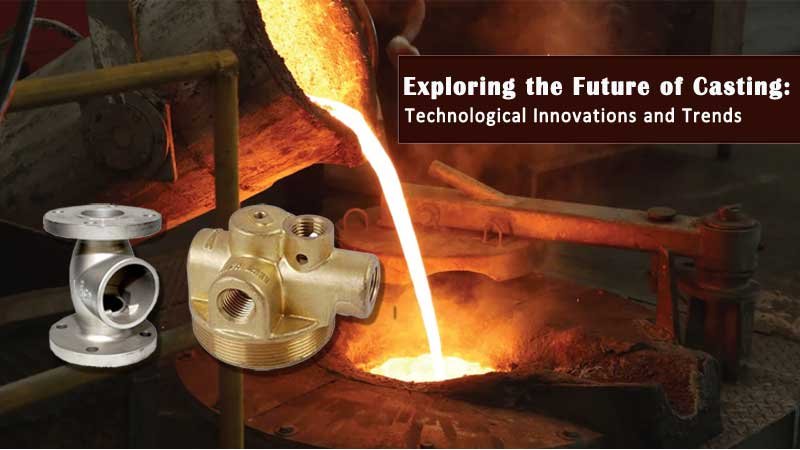
In this blog, we’ll explore the key trends and innovations shaping the future of casting parts, including high-performance materials, quality control, and the rise of small-batch production.
This paper explores how investment casting tackles the challenges of manufacturing micro parts and highlights its innovative applications in industries like medical, electronics, and aerospace. With its high-precision technology, investment casting offers the ideal solution for miniature parts, fueling growth across multiple industries.
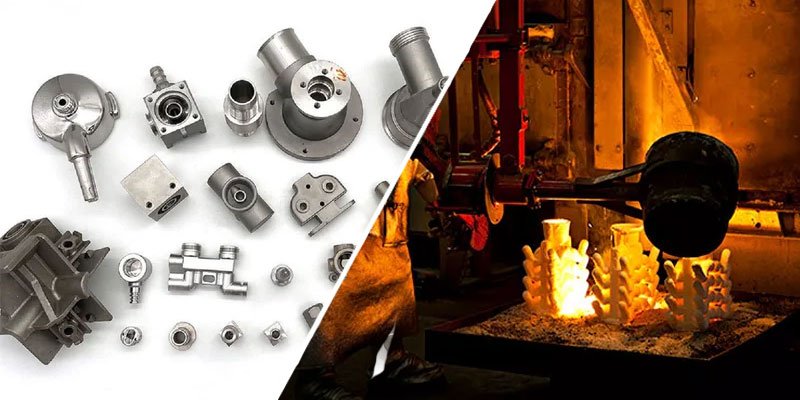
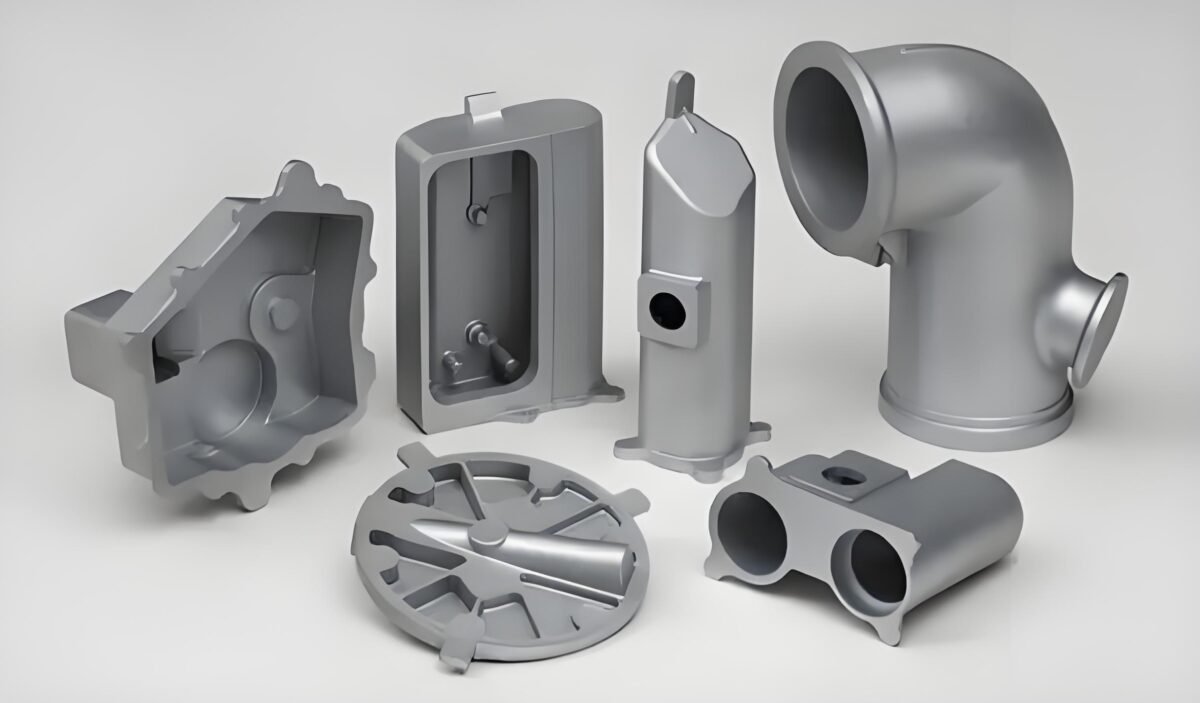
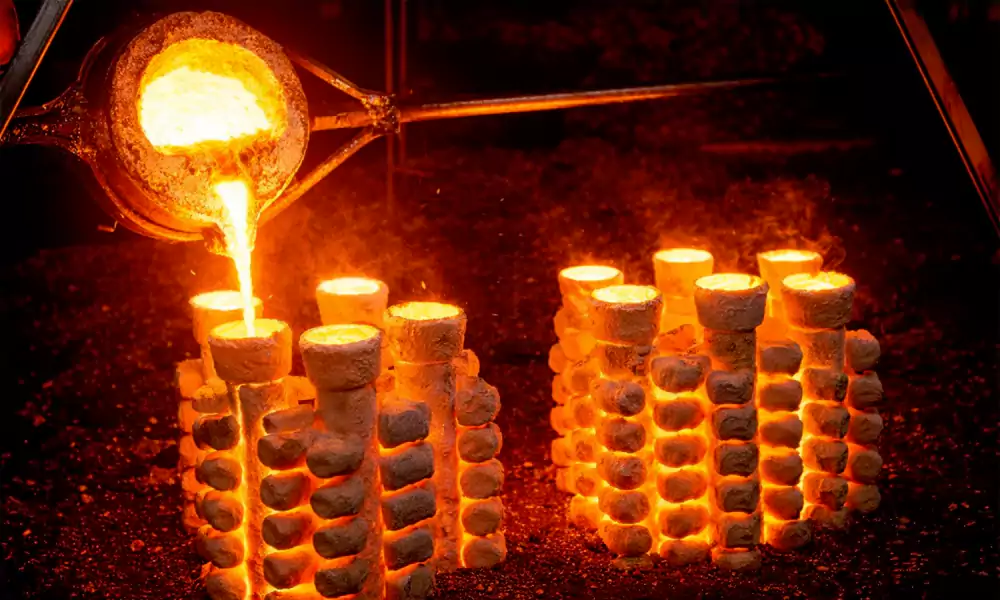
Precision casting refers to the general term for the process of obtaining castings of precise dimensions. Relative to the traditional sand casting process, precision casting castings obtained more accurate size, and better surface finish.
In casting production, achieving superior performance in the final product relies not only on the casting process itself but also on the crucial post-processing steps that follow. These processes work together to enhance the quality and durability of castings, ensuring they meet the demanding standards of various industries.
If you’re exploring options for manufacturing, this article offers a comprehensive guide to aluminum casting, covering its processes and tips for selecting the most suitable method.
The theme of the 75th World Foundry Conference is “Innovation and Sustainability: New Opportunities for the Foundry Industry”, aiming at injecting new vitality into the future development of the foundry industry.
Casting process is the foundation of the manufacturing industry, disappearance mold casting and investment casting as the two main casting technology…
Casting is a fundamental manufacturing process widely used across numerous industries. This article will delve into the definition, types, materials, advantages and disadvantages of casting, as well as how to select the optimal processing method.
Investment Casting is a precision casting process that is widely used in many industries for its excellent accuracy and surface finish.
This guide explains the investment casting process, including key steps, materials, tolerances, and surface finish. It helps engineers and buyers decide when to use casting versus CNC machining, with real-world insights on cost, lead time, and performance.
Alloy steels and stainless steels are the highest quality types of steel, and understanding their properties will help you make informed choices when manufacturing your products.
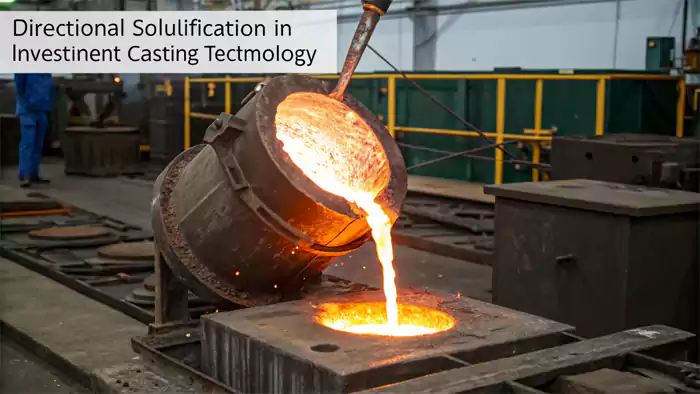
Investment casting, also known as investment casting or lost wax casting, is a process in which models are made from fusible materials such as wax and plastic.
Perhaps you are looking for a metal parts manufacturing partner from China! Allied is a specialist in precision casting and CNC machining!