
I often see engineers pick the wrong alloy. That leads to delays, cost spikes, and rework. Many projects fail not from design, but from material choice.
6061 aluminium alloy is a heat-treatable aluminium-magnesium-silicon alloy known for balanced strength, corrosion resistance, and excellent machinability, making it the most widely used choice for automotive, medical, and industrial components.
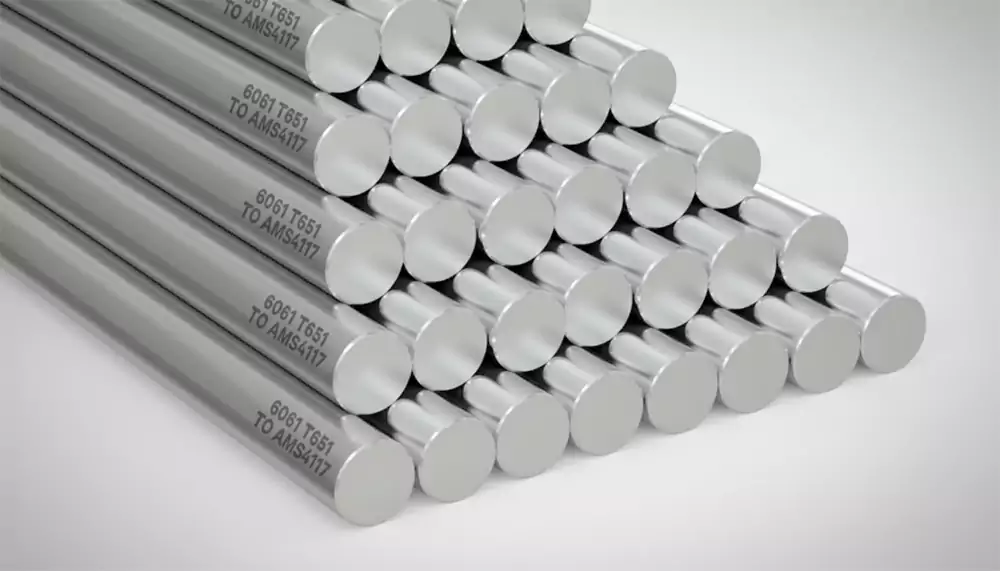
I will walk you through how I choose 6061 in real projects. I will also show where it works best and where it does not. This helps you avoid costly mistakes early.
What Is 6061 Aluminium Alloy? – Composition, Standards & Designation Systems?
I often meet buyers confused by alloy codes. That confusion leads to wrong specs and supplier issues. It wastes time and money.
6061 aluminium is defined by ASTM and EN standards as an aluminium alloy containing magnesium and silicon, with common tempers like T6 and T651 offering improved strength and machining stability.
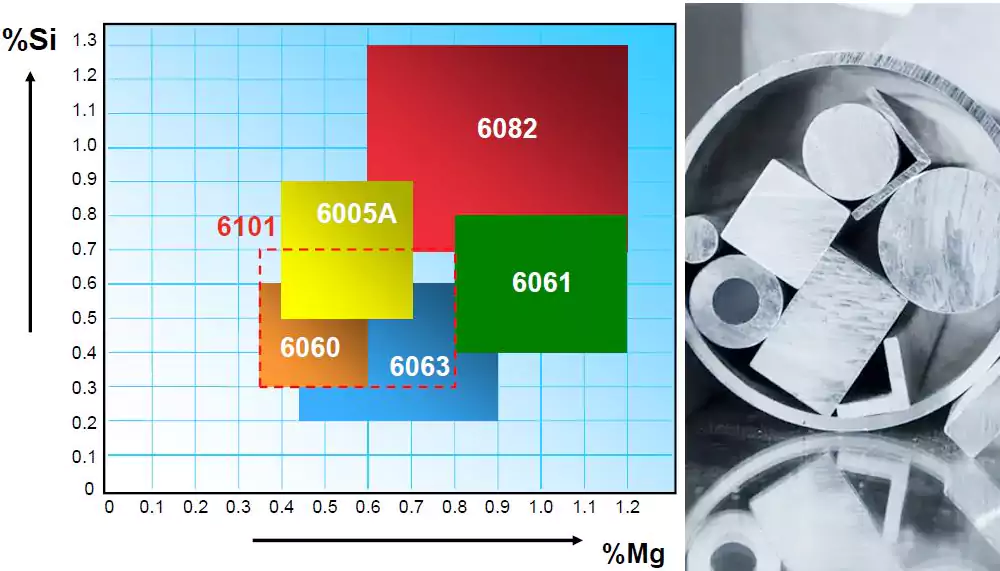
Before we go deeper, you need to understand how composition1 links to performance. This is where many sourcing mistakes begin.
Composition and Standards
In my daily work, I always start from composition. That tells me what the material can really do.
| Element | Typical % |
|---|---|
| Aluminium | Balance |
| Magnesium | 0.8–1.2 |
| Silicon | 0.4–0.8 |
| Copper | 0.15–0.4 |
| Chromium | 0.04–0.35 |
ASTM calls it 6061. In Europe, I often see EN AW-6061. These are equivalent in most cases.
If you are working with casting processes, I suggest reviewing this detailed guide on aluminum casting methods and material behavior, as composition plays a key role in castability.
Temper Designations2
Tempers matter more than many engineers expect. I always double-check this.
- T6: Solution heat-treated + artificially aged
- T651: T6 + stress relieved
T651 is what I usually recommend for CNC machining. It reduces distortion during cutting.
Key Properties for Engineering Design & Material Selection?
I have seen designs fail because engineers only look at strength. That is not enough. You need the full picture.
6061 aluminium provides medium-to-high strength, good corrosion resistance, excellent weldability, and stable machinability, making it ideal for engineering designs that require balanced mechanical and manufacturing performance.
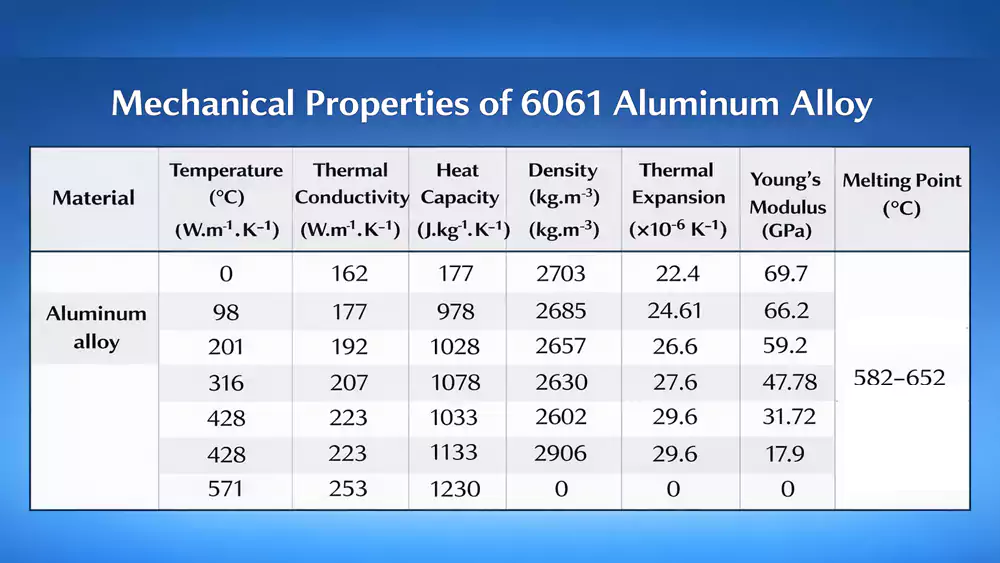
Once you understand the properties, you can match them directly to your application. That is how I make decisions on the shop floor.
Mechanical and Physical Properties
Here is what I typically use when evaluating a part:
| Property | Value (T6) |
|---|---|
| Tensile Strength3 | ~310 MPa |
| Yield Strength | ~275 MPa |
| Elongation | ~12% |
| Density | 2.7 g/cm³ |
It is not the strongest alloy. But it is strong enough for most structural parts.
Corrosion, Welding, Machining
In my shop, 6061 behaves very well:
- Corrosion: Good in most environments
- Welding: Very stable, low cracking risk
- Machining: Clean chips, low tool wear
If your project involves complex shapes or near-net parts, I often combine this with precision aluminium investment casting solutions to reduce machining time.
Typical Applications Across Industries?
Many clients ask me, “Where should I use 6061?” The answer is simple. Use it where balance matters.
6061 aluminium is widely used in automotive, medical, and industrial applications because it offers the best balance between strength, weight, corrosion resistance, and machinability.
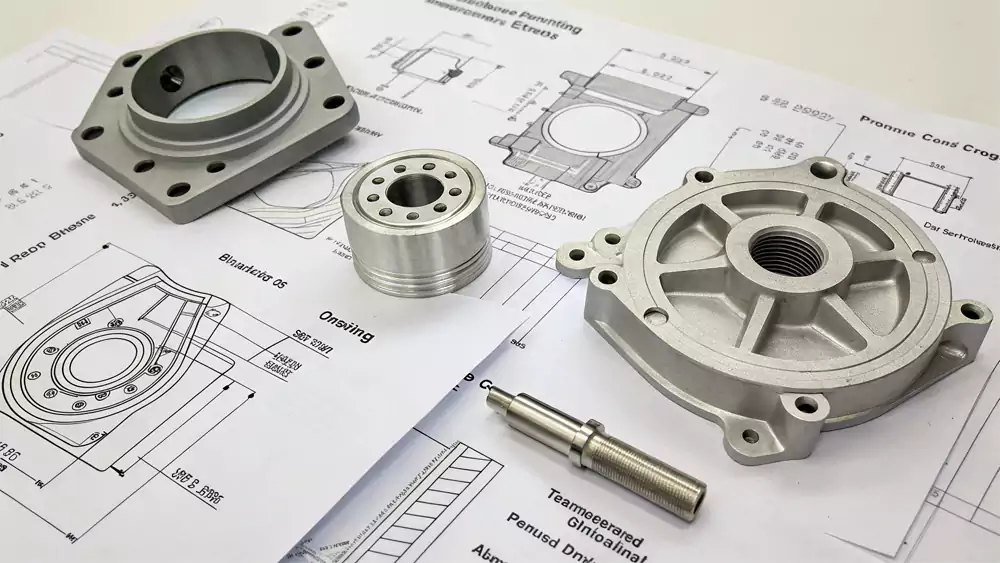
Now let me show you how this works in a real project.
Where I Use It Most
From my experience, 6061 is one of the most flexible alloys across industries. I use it anywhere the part needs a balance of strength, weight, corrosion resistance, and cost control.
- Automotive & Motorcycle: Structural brackets, engine housings, transmission cases, suspension arms, heat sinks, battery enclosures (EV), lightweight chassis components
- Aerospace (non-critical): Interior structures, seat frames, support brackets, UAV/drone frames, ground support equipment
- Medical Equipment: Device frames, imaging system supports, surgical tool components, rehabilitation equipment structures, non-implant housings
- Industrial Machinery: Fixtures, jigs, automation components, machine bases, guide rails, enclosures, robotic arms
- Electronics & Electrical: Heat sinks, enclosures, connector housings, control box frames, LED lighting structures
- Marine & Outdoor Equipment: Deck hardware, rail fittings, mounting brackets, corrosion-resistant structural parts
- Energy & Power: Solar panel mounting systems, inverter housings, wind turbine auxiliary components
- Consumer Products: Bicycle frames, camera mounts, laptop housings, audio equipment frames, sports equipment parts
What I like about 6061 is consistency. It machines clean, holds tolerance well, and performs reliably across different environments. That is why I often recommend it as a first-choice material before considering more specialized alloys.
Case Study – Custom CNC Housing
I once worked on a motor housing project. The client needed tight tolerance and stable machining.
Project Data:
| Parameter | Value |
|---|---|
| Material | 6061-T6514 |
| Part Size | 180 × 120 × 75 mm |
| Tolerance | ±0.02 mm |
| Surface Finish | Ra 1.6 μm |
| Process | CNC milling |
| Batch Size | 500 pcs |
What Happened
At first, the client used 7075. That caused high cost and machining stress. I suggested 6061-T651.
The result:
- Machining time reduced by 18%
- Scrap rate dropped from 6% to 1.2%
- Cost reduced by 22%
6061 vs. Other Aluminium Alloys – Material Selection Guide?
I often compare alloys for clients. Many over-spec materials. That increases cost without benefit.
6061 aluminium offers a balanced combination of strength, machinability, and cost, while alloys like 7075 provide higher strength and 6063 offers better surface finish for extrusion applications.
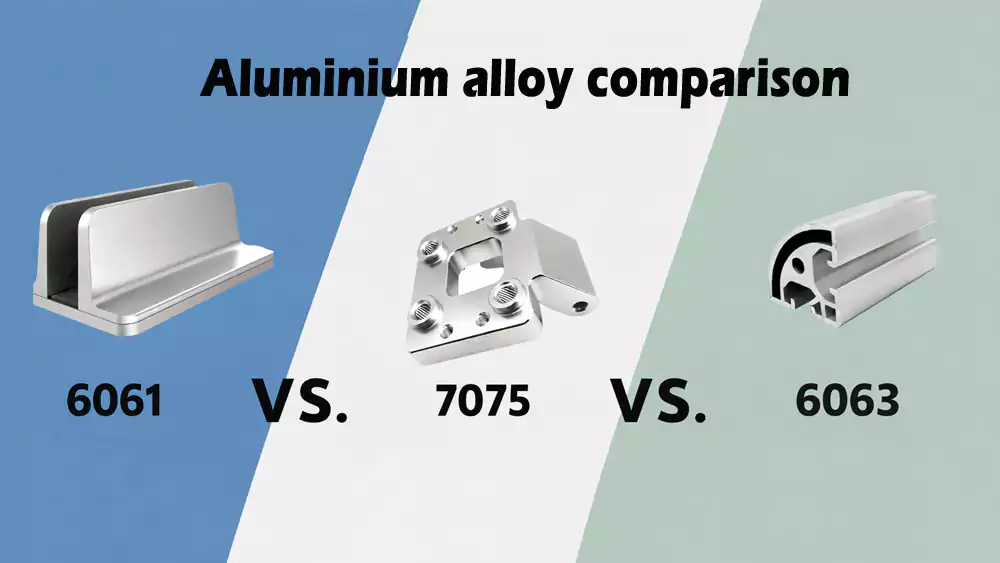
Choosing the right alloy is not about picking the strongest one. It is about matching performance to real needs.
Key Comparisons
| Alloy | Strength | Machinability | Cost | Typical Use |
|---|---|---|---|---|
| 6061 | Medium | Excellent | Medium | General engineering |
| 6063 | Lower | Good | Low | Extrusions |
| 7075 | Very High | Moderate | High | Aerospace |
| 6082 | Medium-High | Good | Medium | EU structural |
If you have any questions about selecting materials, please feel free to contact our experts for a free consultation.
How I Decide
I follow a simple logic:
- Need strength → consider 7075
- Need surface finish → consider 6063
- Need balance → choose 6061
Most of the time, 6061 wins.
Surface Finishing Options for 6061 Aluminium Parts?
I often see finishing treated as an afterthought. That is a mistake. It affects both performance and appearance.
6061 aluminium supports anodizing, powder coating, and polishing, allowing engineers to improve corrosion resistance, durability, and appearance based on functional and aesthetic requirements.
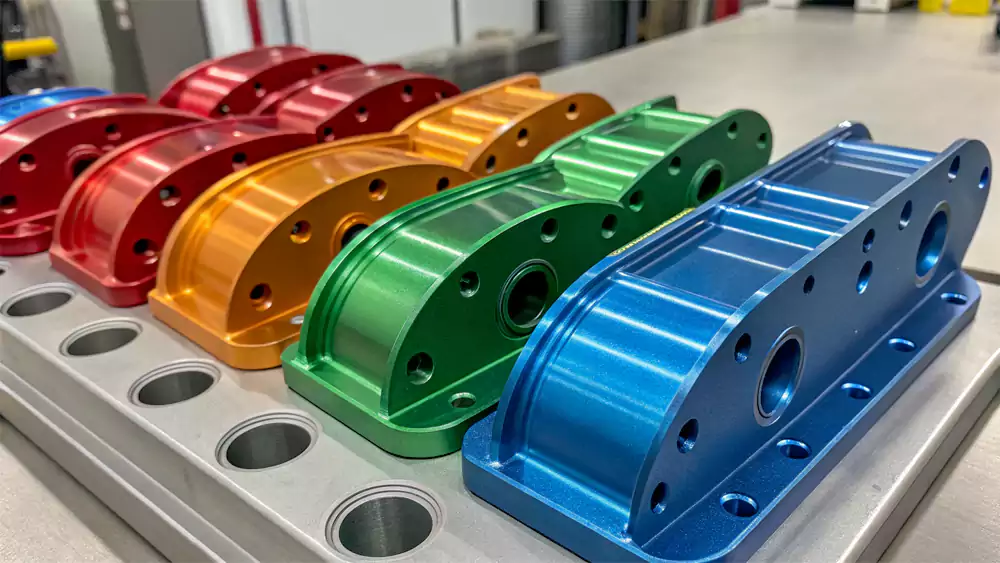
Surface finishing decisions should be made early. They affect both cost and lead time.
Common Finishes
- Anodizing: Improves corrosion and appearance
- Powder coating: Adds durability
- Sandblasting: Creates uniform texture
My Recommendation
For most parts:
- Functional parts → clear anodizing
- Visual parts → black anodizing
- Heavy-duty → powder coating
Custom Manufacturing of 6061 Parts – From Casting to CNC?
I always tell clients that manufacturing method matters as much as design. It impacts cost, lead time, and quality.
6061 aluminium parts can be manufactured using CNC machining for high precision or investment casting for complex geometries, depending on volume, tolerance, and cost targets.
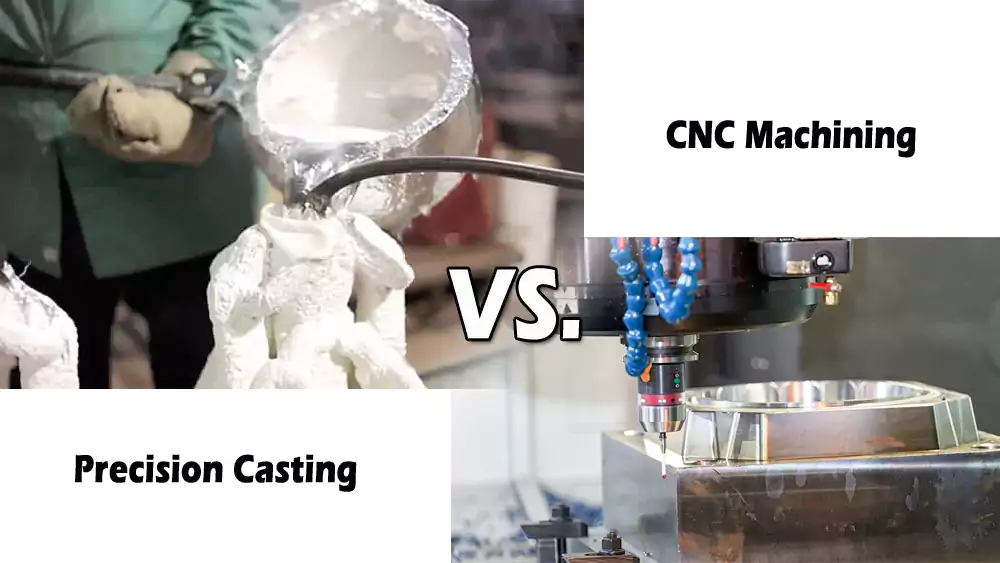
Before you choose a process, you need to understand how design interacts with manufacturing.
Manufacturing Options
- CNC machining: High precision, fast setup
- Investment casting: Complex geometry, lower material waste
If you are exploring casting routes, this guide on what aluminum investment casting is and how it works gives a clear starting point.
DFM Tips I Use
- Avoid sharp internal corners
- Keep wall thickness uniform
- Add machining allowances for cast parts
Common Challenges
From my experience:
- Distortion during machining
- Surface defects in casting
- Poor supplier communication
Supplier Checklist
When I select a supplier, I always check:
- ISO certification
- Material traceability
- Process transparency
- Response speed
Cost and Lead Time
Typical CNC project:
| Factor | Value |
|---|---|
| MOQ | 1–100 pcs |
| Lead Time | 7–21 days |
| Cost Drivers | Complexity, tolerance, finish |
Conclusion
6061 aluminium gives the best balance of strength, cost, and manufacturability. I rely on it for most parts that need stable performance and efficient production.
-
Understanding composition is crucial to know what the material can really do, impacting sourcing and performance. ↩
-
Exploring temper designations helps ensure the right choice for machining and reduces distortion during cutting. ↩
-
Explore this link to understand the tensile strength of 6061 aluminum, crucial for assessing its suitability in structural applications. ↩
-
Explore this link to understand why 6061-T651 is preferred for tight tolerance and stable machining in CNC projects. ↩