
I often see engineers choose high-strength materials without fully thinking through the cost and machining impact. 7075 looks like the perfect answer, but it can quickly become a problem in production.
7075 aluminum is a high-strength alloy used in demanding applications where weight reduction and strength are critical, but it requires higher cost, more complex machining, and experienced suppliers to ensure consistent quality and performance.
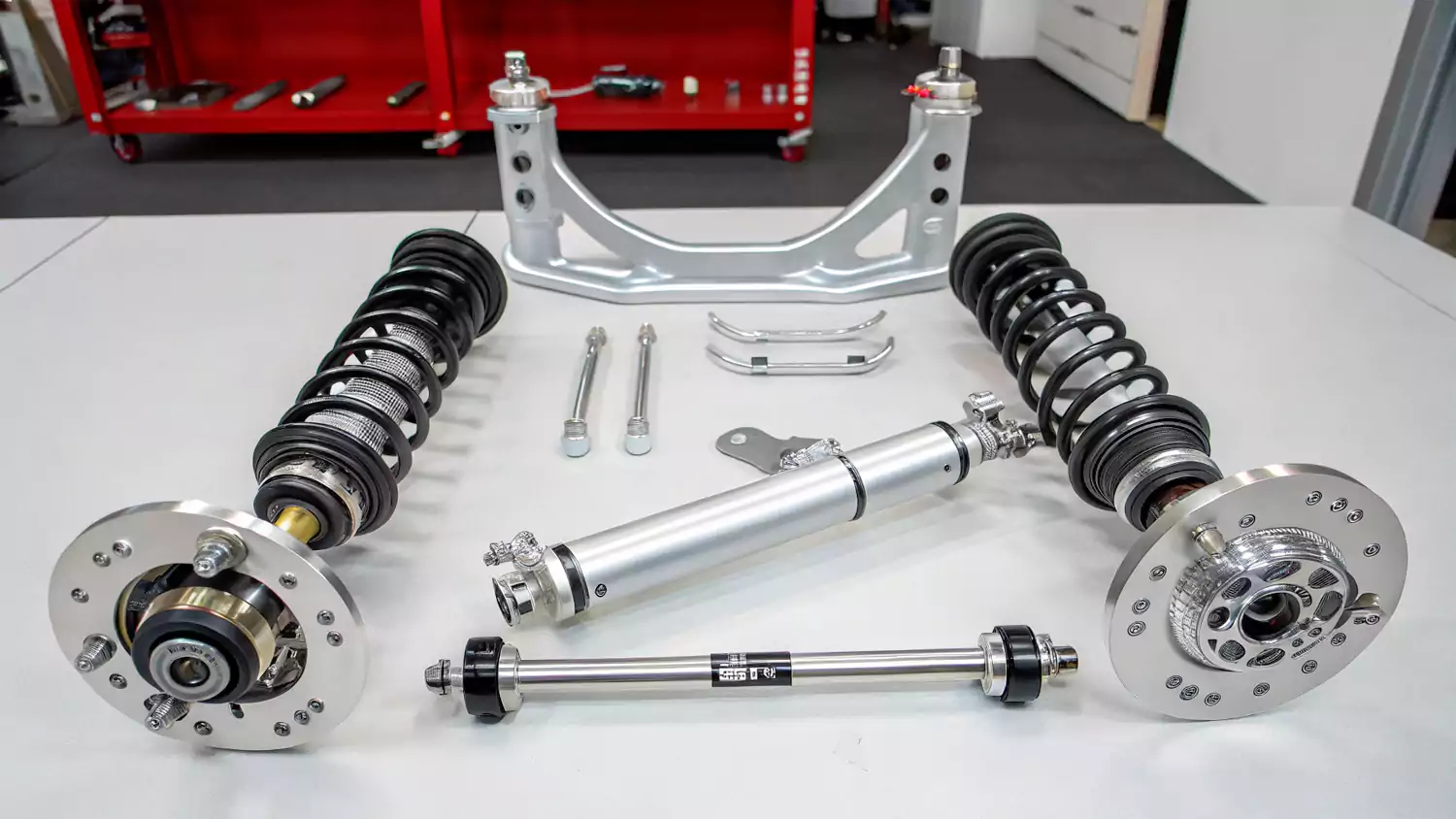
I learned this through years on the shop floor. Material choice is never just about strength. It is about the full manufacturing picture.
If you continue reading, I’ll explain when 7075 alloy is suitable and when it isn’t for custom aluminum parts, as well as how to avoid costly mistakes during the procurement and machining processes.
Understanding 7075 Aluminum Alloy?
I often get this question from buyers and engineers. What really makes 7075 different from other aluminum alloys?
7075 aluminum is a precipitation-hardened alloy mainly strengthened by zinc, magnesium, and copper, delivering near-steel strength at one-third the weight, but with lower corrosion resistance and poor weldability.
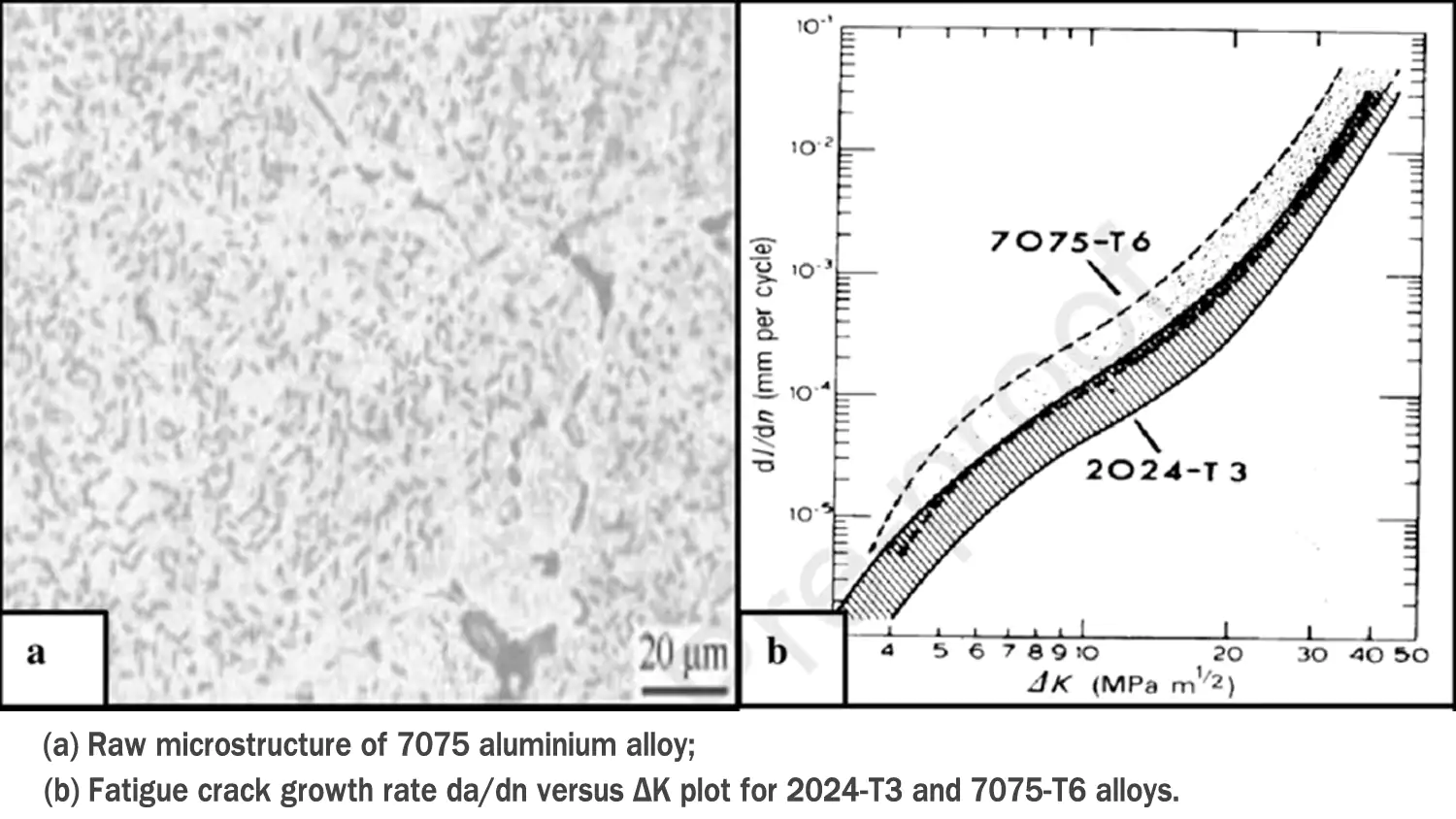
Chemical Composition and Material Characteristics
From my experience, the chemistry drives everything.
- Zinc (Zn): The main strength driver. It forms strong phases.
- Magnesium (Mg): It works with zinc to increase hardness.
- Copper (Cu): It boosts strength but reduces corrosion resistance.
This combination creates a high-strength alloy through heat treatment. That is why 7075-T61 is so strong. But it also becomes more sensitive to stress and machining conditions.
Key Mechanical Properties
I often explain it with a simple comparison.
| Property | 7075 Aluminum | Steel (Typical) |
|---|---|---|
| Tensile Strength | ~570 MPa | ~400–600 MPa |
| Density | 2.8 g/cm³ | 7.8 g/cm³ |
| Fatigue Resistance | High | Moderate |
The key point is clear. You get steel-like strength with much lower weight.
Why 7075 Is Used in High-Performance Applications
I usually see 7075 in high-stress environments.
- High-load structural parts
- Weight-sensitive systems
- Repeated fatigue conditions
It often replaces steel when weight matters. But I always remind clients to be careful. Over-specifying material creates unnecessary cost and machining risk.
From my own projects, I have seen many designs fail not because of weak material, but because of poor material selection logic. 7075 is powerful, but it is not a default choice. You need to justify it with real load data, fatigue cycles, and safety factors. When used correctly, it delivers excellent performance. When used blindly, it creates cost and production instability.
7075 vs 6061 Aluminum: Performance and Selection Guide?
This is one of the most common decisions I help clients make. Many projects do not actually need 7075.
7075 aluminum provides significantly higher strength, while 6061 offers better corrosion resistance, lower cost, and easier machining, making 6061 the preferred choice for general applications and 7075 suitable for high-load conditions.
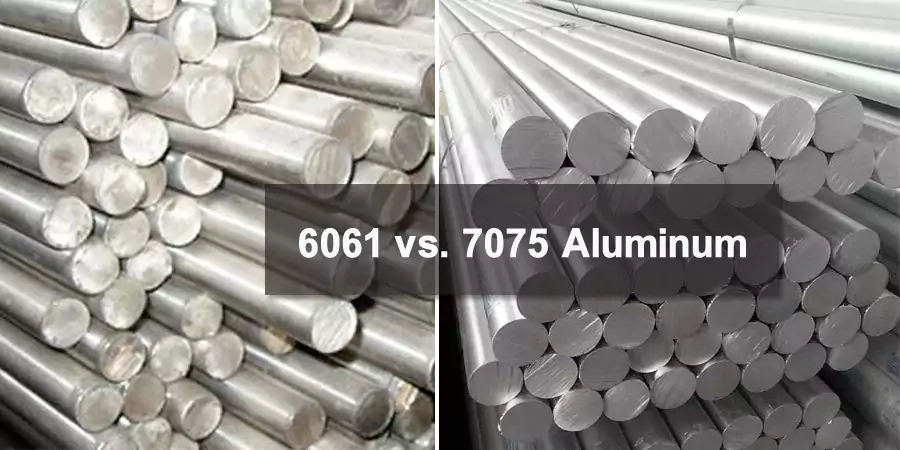
Key Differences Between 7075 and 6061
I usually present it like this:
| Factor | 7075 Aluminum | 6061 Aluminum |
|---|---|---|
| Strength | Very high | Medium |
| Cost | High | Lower |
| Machinability | Difficult | Easy |
| Corrosion | Moderate | Good |
When to Choose 7075 Over 6061
I recommend 7075 in these cases:
- High load-bearing parts
- Weight reduction is critical
- Fatigue resistance is required
When 6061 Is the Better Option
I suggest 6061 when:
- Budget is limited
- Load requirements are moderate
- Corrosion resistance matters
Quick Selection Rule for Engineers and Buyers
If strength is your priority, choose 7075; if cost and versatility matter more, 6061 is usually sufficient.
From my experience, many engineers overestimate the need for 7075. I have seen projects where 6061 performs perfectly but gets rejected because it feels weaker. That is not the right approach. You should always start with load analysis2, then check safety factors, and then evaluate cost and machining complexity3. 7075 increases cutting force and tool wear, which raises total cost. 6061 is easier to machine and more stable in production. For sourcing managers like Michael, this decision directly affects supplier performance, audit results, and long-term cost control.
Advantages, Limitations, and Industrial Applications of 7075 Aluminum?
I always try to give a balanced view. 7075 is powerful, but it is not a universal solution.
7075 aluminum offers an excellent strength-to-weight ratio and fatigue resistance for high-performance parts, but it comes with higher cost, poor weldability, and moderate corrosion resistance that must be managed through design and surface treatment.
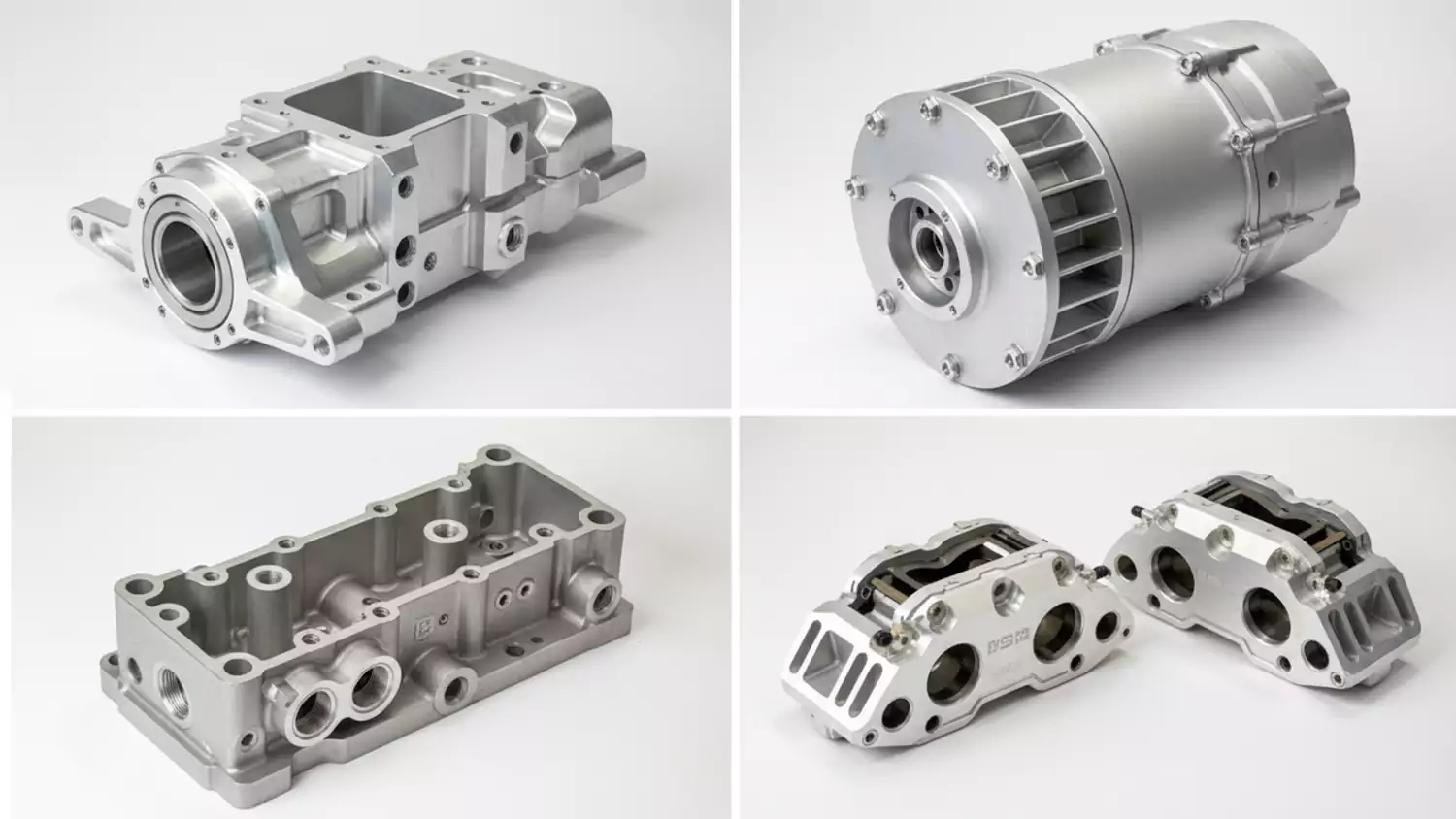
Key Advantages
- High strength-to-weight ratio
- Excellent fatigue resistance4
- Suitable for high-performance parts
Limitations You Should Be Aware Of
- Poor weldability
- Moderate corrosion resistance
- Higher cost
How to Mitigate These Limitations
In my projects, I often use:
- Anodizing to improve corrosion resistance
- Surface coatings for protection
- Design optimization to reduce stress
Typical Applications Across Industries
Automotive and Motorcycle Components
Used in suspension parts and structural components.
Aerospace and High-Precision Parts
Used in structural fittings and precision components.
Medical and Industrial Equipment
Used in high-precision and lightweight parts.
I want to share a real example from my experience. I worked on a custom industrial actuator bracket. The client first used 6061, and the part failed under cyclic load. We switched to 7075-T6515.
| Parameter | Value |
|---|---|
| Material | 7075-T651 |
| Part Size | 160 × 80 × 25 mm |
| Tolerance | ±0.015 mm |
| Surface Finish | Ra 1.6 μm |
| Load Requirement | 15 kN cyclic load |
| Machining Time | 38 minutes |
| Tool Life | 110 parts/tool |
After switching:
- Fatigue life increased by 3×
- Weight reduced by 25%
- Cost increased by 15%
The client accepted the cost because the failure risk dropped. This is where 7075 proves its value.
Machining and Sourcing 7075 Aluminum Parts?
This is the most critical part in my experience. Many problems happen here, not in design.
7075 aluminum is more difficult to machine due to higher cutting forces, faster tool wear, and deformation risks, requiring optimized tooling, controlled processes, and experienced suppliers to achieve stable quality.
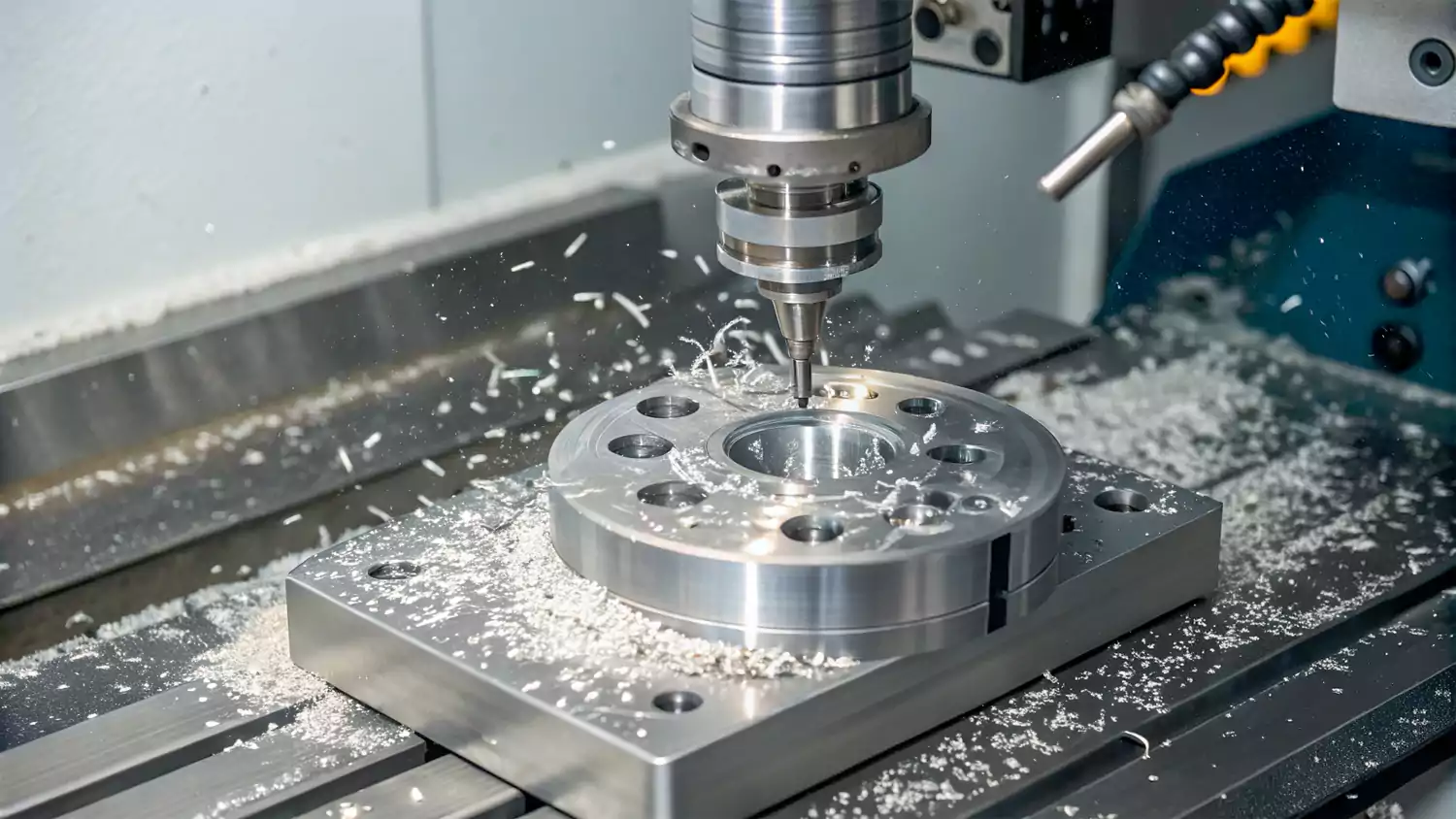
Is 7075 Aluminum Difficult to Machine?
Yes, it is more demanding than common alloys.
Common Machining Challenges
- High tool wear
- Strong cutting forces
- Risk of deformation
Surface Finishing Considerations
- Anodizing is commonly required
- Surface defects are more visible
- Tight tolerances need stable processes
Best Practices for Machining 7075 Aluminum
Tooling and Cutting Parameters
I use:
- High-quality carbide tools6
- Controlled speeds and feeds
- Rigid setups
Heat Treatment Considerations (T6, T651)
- T6 gives higher strength
- T651 reduces internal stress
Tolerance Control and Stability
- Use stress-relieved material
- Apply step machining
- Inspect frequently
Key Factors When Choosing a 7075 Aluminum Supplier
Manufacturing Capabilities
A strong supplier should not only offer CNC machining. They should also understand near-net shape manufacturing. This includes precision investment casting.
- CNC machining for tight tolerance finishing
- Investment casting for complex geometry and material savings
- Heat treatment and surface finishing integration
In my experience, investment casting helps reduce machining load. It also improves material utilization, especially for complex shapes. A supplier who combines casting and machining can control the full process better.
Experience with High-Strength Alloys
Experience reduces risk and trial cost. 7075 is not forgiving.
Quality Control and Inspection
You need:
- Material traceability7
- Dimensional inspection
- Process consistency
Lead Time and Cost Efficiency
A good supplier balances both without sacrificing stability.
How the Right Supplier Reduces Your Risk
- Less rework
- Better consistency
- Lower long-term cost
I have worked with many suppliers over the years. The difference is clear. Inexperienced suppliers struggle with deformation and tool wear. This leads to unstable quality and delays. Experienced suppliers understand stress control, machining sequence, and fixture design. They also provide clear documentation and communication. For sourcing managers, this reduces audit pressure and improves long-term reliability. In my work, I always choose stability over short-term savings. Because unstable production always costs more in the end.
Conclusion
7075 aluminum is a powerful tool, not a default choice. Use it when performance demands it, manage its limitations carefully, and rely on experienced suppliers to turn its strength into real manufacturing value.
If you are evaluating 7075 aluminum alloy for a custom project, please send us your drawings, and our engineering team can help review them.
-
Explore the properties of 7075-T6 and 7075-T651 aluminum alloys. ↩
-
Understanding load analysis helps ensure you choose the right aluminum alloy for your project's strength requirements. ↩
-
Exploring machining complexity guides you in selecting alloys that balance performance and manufacturing cost. ↩
-
Explore this link to understand how fatigue resistance enhances durability and reliability in critical applications. ↩
-
Learn why 7075-T651 is preferred for high-strength, lightweight parts and how it improves performance in demanding environments. ↩
-
Explore how high-quality carbide tools improve machining efficiency and tool life when working with 7075 aluminum. ↩
-
Understand the role of material traceability in ensuring consistent quality and compliance in 7075 aluminum parts. ↩