
Turbine blades work in extreme environments. Heat, stress, and corrosion attack them every second. If the wrong material is used, the blade can fail early and cause serious damage.
Turbine blades are usually made from high-temperature alloys such as nickel-based superalloys, cobalt alloys, titanium alloys, or heat-resistant steels. Engineers choose them based on temperature, stress, corrosion, and turbine type.
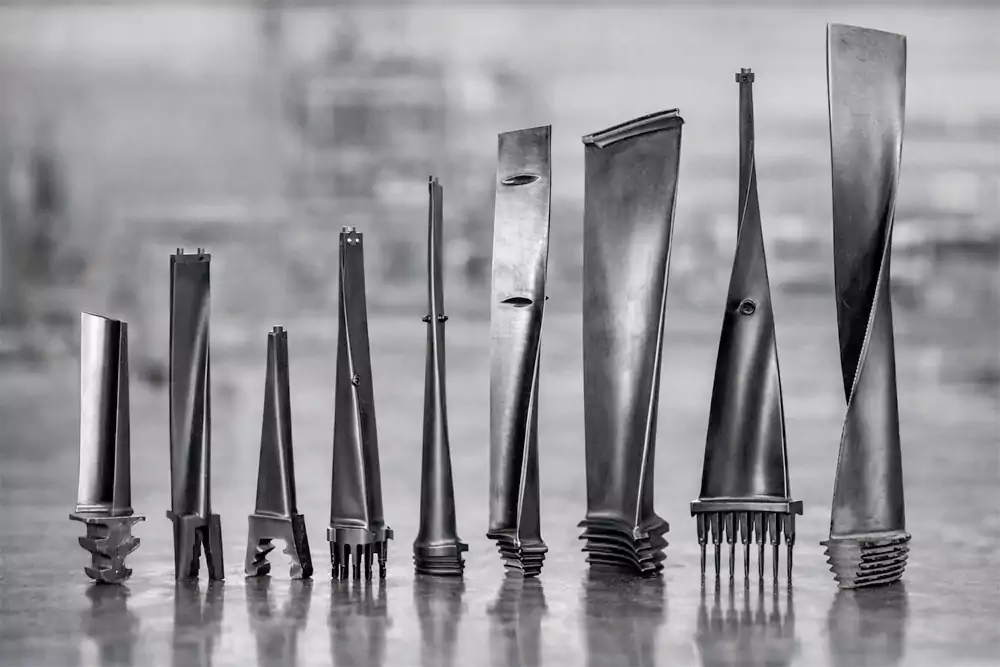
Choosing the right turbine blade material is not just about strength. It is about matching the material with the working environment. I learned this early in my career working on casting floors while developing solutions for custom turbine blade manufacturing.
Why Is Material Selection Critical for Turbine Blades?
Turbine blades spin at very high speed. They also face extreme heat and pressure. If the material is not suitable, the blade will crack, deform, or oxidize.
Material selection is critical because turbine blades must survive high temperatures, strong centrifugal force, corrosion, and long fatigue cycles at the same time.
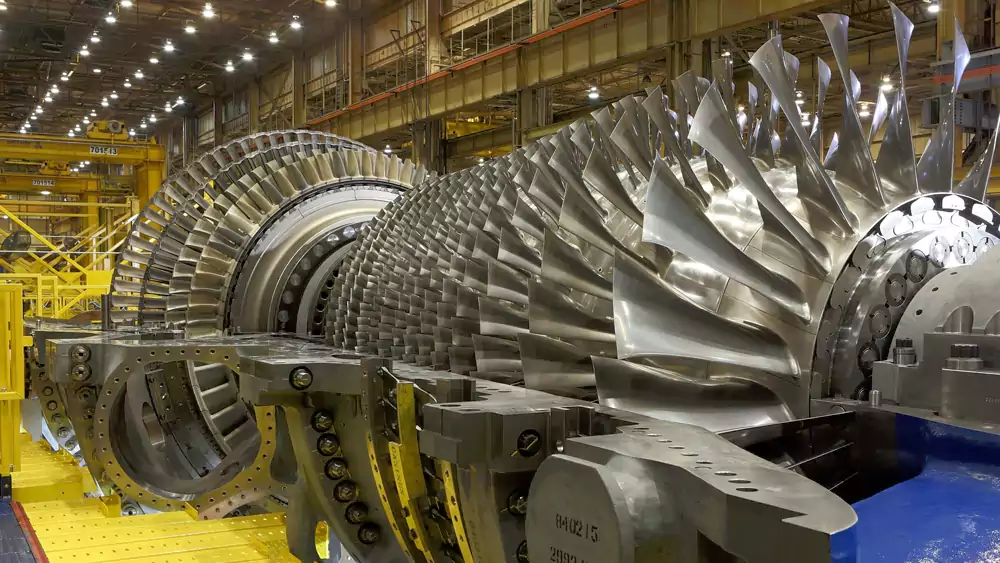
The Real Working Environment of Turbine Blades
When people first learn about turbines, they often think the challenge is only temperature. In reality, the situation is more complex. Several forces work together.
| Operating Challenge | Description | Impact on Material |
|---|---|---|
| High Temperature | Gas turbines can exceed 1000°C | Requires heat resistance |
| Centrifugal Stress | High rotation speed creates huge force | Requires creep resistance1 |
| Oxidation | Hot gas reacts with metal surfaces | Requires oxidation resistance |
| Fatigue | Start-stop cycles cause repeated stress | Requires fatigue strength |
In my experience on the casting floor, heat damage is only part of the story. Long-term creep deformation is another big risk. A turbine blade may run for thousands of hours. The metal slowly stretches under constant stress.
This is why engineers rarely look for the “strongest” metal. Instead, they look for the most stable one under real operating conditions.
What Are the Most Common Turbine Blade Materials?
Many alloys can be used in turbine parts. But only a few families are widely used because they perform well under extreme conditions.
The most common turbine blade materials include nickel-based superalloys, cobalt-based alloys, titanium alloys, and heat-resistant steels. Each material works best in specific turbine stages.
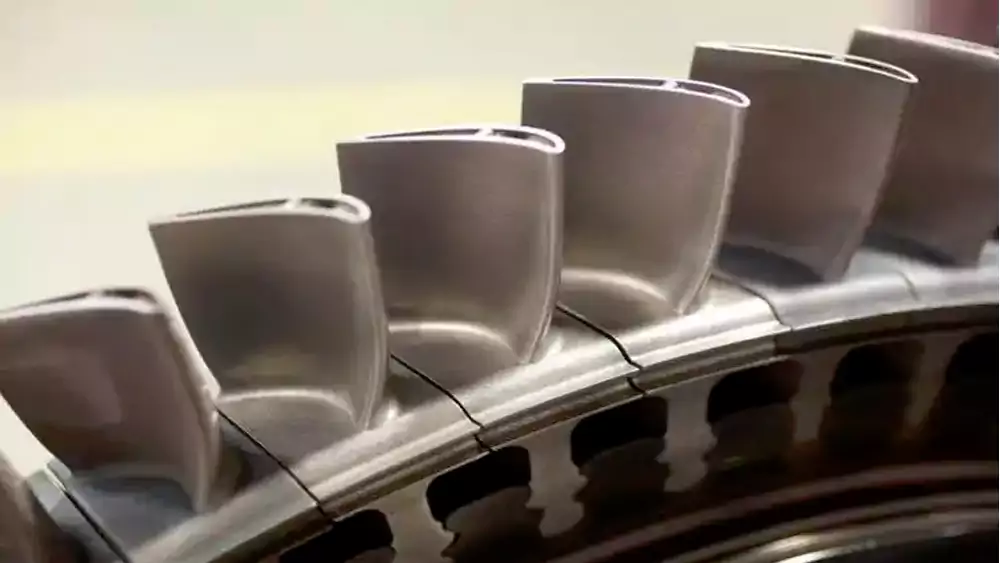
Nickel-Based Superalloys
Nickel alloys dominate high-temperature turbines. They keep their strength even at very high heat.
Key advantages:
- excellent creep resistance
- strong high-temperature strength
- good oxidation resistance
These alloys are common in:
- aircraft engines
- industrial gas turbines
In many of these applications, engineers rely on advanced casting techniques such as investment casting for turbine blades to produce complex airfoil shapes while maintaining structural stability.
Cobalt-Based Alloys
Cobalt alloys are less common than nickel alloys. But they perform well in harsh environments.
Main benefits:
- strong hot corrosion resistance2
- stable microstructure at high heat
- good wear resistance
They are useful in turbines exposed to aggressive gases.
Titanium Alloys
Titanium alloys are light but strong. Because of this, they are widely used in compressor sections.
Advantages:
- very high strength-to-weight ratio3
- good fatigue resistance
- low density
In aerospace engines, reducing weight is very important. Titanium helps engineers achieve that goal.
Stainless and Heat-Resistant Steels
These steels are common in lower temperature turbines.
Typical applications include:
- steam turbines
- hydraulic turbines
- industrial equipment
They are attractive because they offer:
- good corrosion resistance
- reliable strength
- lower cost compared with superalloys
Comparison of Common Turbine Blade Materials
| Material Category | Typical Temperature Range | Key Advantages | Common Applications |
|---|---|---|---|
| Nickel-Based Superalloys | up to 1100°C+ | Excellent creep resistance, strong at high temperature | Gas turbines, aircraft engines |
| Cobalt-Based Alloys | up to 1000°C | Hot corrosion resistance, stable microstructure | Industrial turbines |
| Titanium Alloys | up to 600°C | Lightweight, strong fatigue resistance | Aircraft compressor stages |
| Heat-Resistant Steels | up to 650°C | Cost-effective, corrosion resistant | Steam turbines |
| Stainless Steel | moderate temperature | Good corrosion and cavitation resistance | Hydraulic turbines |
How Do Operating Conditions Determine Turbine Blade Materials?
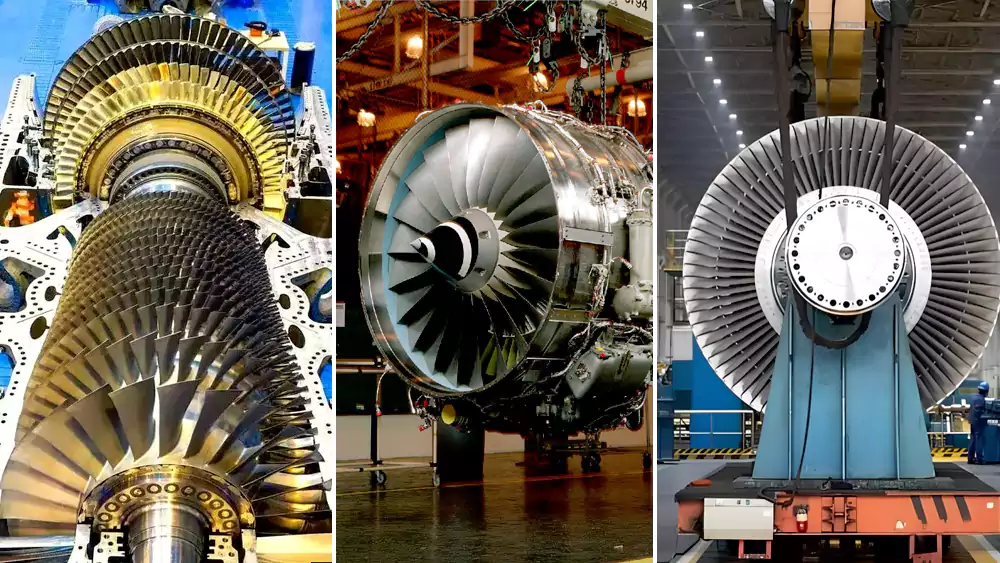
Different turbines run under different conditions. This is why engineers rarely use one material for all blades.
Engineers select turbine blade materials by analyzing operating temperature, stress level, corrosion exposure, and expected service life.
Gas Turbines
Gas turbines operate at the highest temperatures. Combustion gases flow directly over the blades.
Because of this environment, nickel-based superalloys are the dominant material.
These alloys resist creep even at temperatures above 1000°C.
Aircraft Engines
Aircraft engines must balance strength and weight.
In the compressor section, titanium alloys are common. They reduce weight while keeping strong fatigue resistance.
In the turbine section, superalloys take over because temperature rises dramatically.
Steam Turbines
Steam turbines face high pressure but lower temperature compared with gas turbines.
For this reason, heat-resistant steels often perform well. They are stable and cost effective.
Hydraulic Turbines
Hydraulic turbines work in water environments.
Key risks include:
- erosion
- cavitation
- corrosion
Stainless steels are common because they handle water exposure well.
What Manufacturing Factors Affect Turbine Blade Materials?
Choosing a material is only half the story. The manufacturing process must also support the design.
Manufacturing feasibility often influences material selection because complex turbine blades require advanced casting and machining processes.
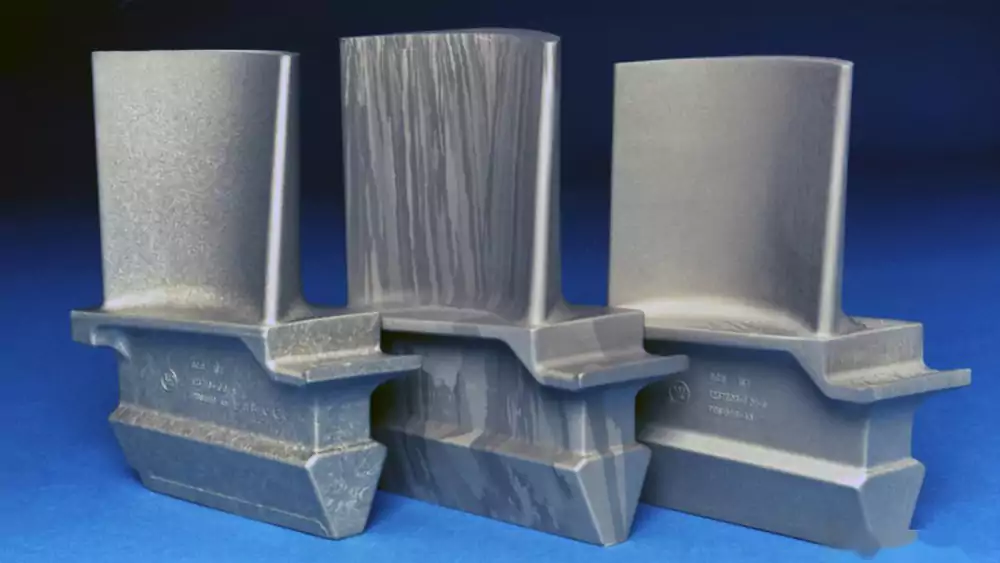
Precision Investment Casting
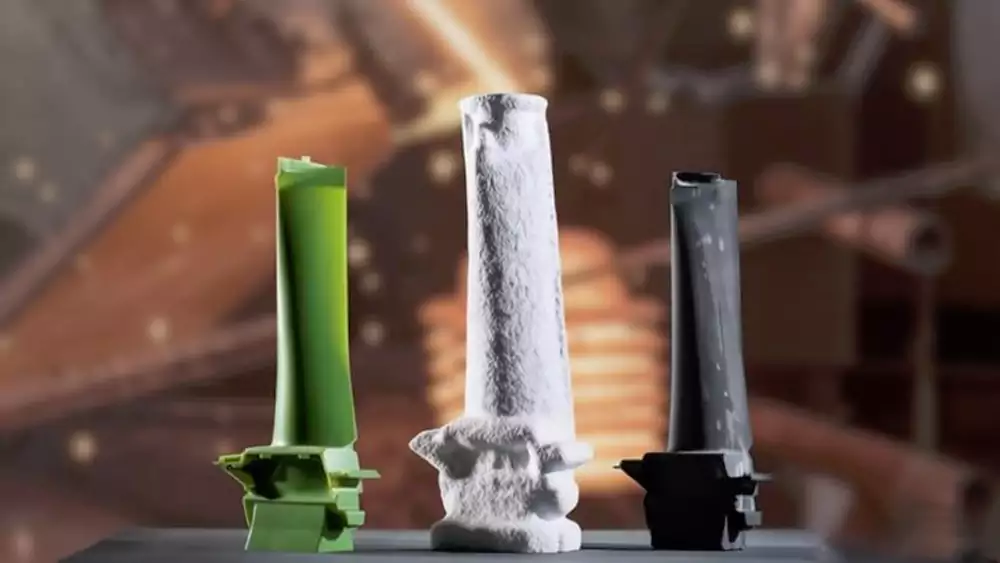
Many turbine blades have complex shapes. Some include internal cooling channels4.
Investment casting is ideal for this geometry because it can produce near-net shapes with high accuracy.
It also reduces machining work later.
Modern foundries rely on techniques explained in detail in studies such as how investment casting enables complex turbine blade geometry, which show how cooling channels and thin walls can be achieved reliably.
CNC Precision Machining
Even with precise casting, machining is still necessary.
Critical areas include:
- blade roots
- attachment interfaces
- aerodynamic surfaces
Modern CNC equipment ensures tight tolerances. Engineers often evaluate specifications similar to those discussed in turbine blade machining tolerances.
Surface Protection and Secondary Processes
High-temperature blades often require additional processing steps after casting and machining.
These may include:
- thermal barrier coatings
- heat treatment
- polishing
- precision grinding
These finishing steps fall under what manufacturers call secondary finishing operations for turbine blades, which play a critical role in improving durability and aerodynamic performance.
Case Study: Custom Turbine Blade Casting
A few years ago, I worked on a custom turbine blade project for an industrial energy system.
The part required high temperature resistance and precise geometry.
| Parameter | Value |
|---|---|
| Application | Industrial Gas Turbine |
| Alloy Type | Nickel-based Superalloy |
| Blade Length | 148 mm |
| Wall Thickness | 2.5 mm |
| Casting Process | Precision Investment Casting |
| Dimensional Tolerance | ±0.05 mm |
| Annual Volume | 2,000 pieces |
The biggest challenge was controlling deformation during solidification. My team adjusted gating design and cooling strategy to stabilize the casting.
After process optimization, the scrap rate dropped from 9% to under 2%.
When engineers evaluate production methods, they often compare casting and machining approaches, similar to the analysis in casting vs machining for turbine blades.
This kind of improvement only comes from years of foundry experience.
How Do Engineers Choose the Right Material for Custom Turbine Blades?
Many companies design turbine components for unique applications. Standard materials do not always work.
Choosing the right turbine blade material requires evaluating temperature range, mechanical load, corrosion environment, and manufacturing feasibility together.
From my experience, the best results come from early collaboration between engineers and manufacturers.
Key evaluation factors include:
- operating temperature
- rotational stress
- corrosion exposure
- production volume
- casting feasibility
When design teams involve foundries early, many problems can be avoided.
For companies developing advanced turbine components, working with a manufacturer experienced in custom turbine blade manufacturing can greatly improve both reliability and manufacturability.
Frequently Asked Questions About Turbine Blade Materials
What is the most common material used for turbine blades?
Nickel-based superalloys are the most common turbine blade materials for high-temperature gas turbines. They maintain strength at extreme temperatures and resist creep, oxidation, and thermal fatigue.
Why are nickel-based superalloys used in turbine blades?
Nickel-based superalloys are used because they retain mechanical strength at temperatures above 1000°C. They also offer excellent creep resistance, oxidation resistance, and long-term structural stability.
Are turbine blades always made by casting?
Not always. Many turbine blades are produced using investment casting because it can create complex shapes and internal cooling channels. However, CNC machining is often required for precise surfaces and blade root geometry.
Conclusion
Selecting turbine blade materials is about matching alloys with real operating conditions. When materials, design, and manufacturing align, turbine blades achieve long service life and stable performance.
-
Explore materials with superior creep resistance to ensure turbine blades maintain shape and performance under long-term stress. ↩
-
Discover how alloys with strong hot corrosion resistance extend turbine life in harsh, aggressive gas environments. ↩
-
Understand why materials with a very high strength-to-weight ratio are preferred in aerospace for reducing weight while maintaining strength. ↩
-
Explore how internal cooling channels enhance turbine blade efficiency and durability in high-temperature environments. ↩