
Turbine blades work in one of the harshest environments in modern engineering. Inside gas turbines and jet engines, these parts face extreme heat, strong centrifugal forces, and constant exposure to hot combustion gases. Many engineers focus only on alloy strength when selecting materials. However, real turbine reliability depends on more than the material alone.
Nickel-based superalloys are widely used for turbine blades because they maintain strength at temperatures from about 800°C to over 1100°C, resist oxidation and creep, and survive heavy rotational stress. Yet real turbine performance also depends on manufacturing quality, machining difficulty, and smart design decisions.
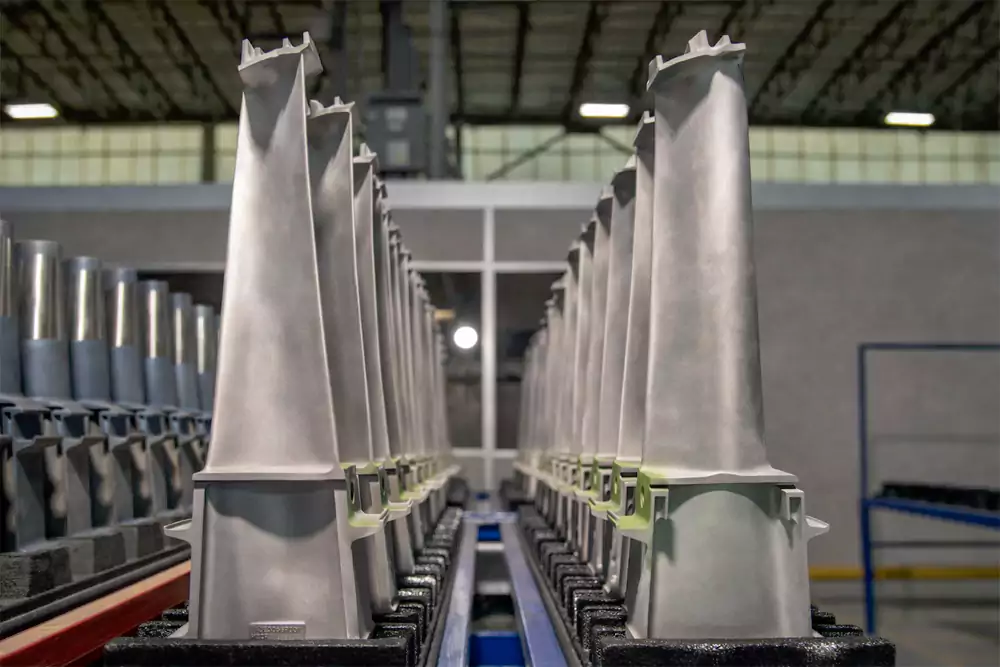
During my early years working on the shop floor of a casting facility, I saw many turbine components that looked perfect on paper but failed during testing. Engineers often trusted the material datasheet too much. In reality, a strong alloy cannot compensate for weak design or poor manufacturing control. Over the past two decades in investment casting and precision machining, I learned that turbine blade performance always comes from three elements working together: the material, the manufacturing process, and the design details. In this article I will share my practical observations about nickel-based superalloys. I will explain why these materials are used for casting turbine blades, where their limitations lie, and why manufacturing processes and design decisions are just as important as the alloys themselves.
Why Are Nickel-Based Superalloys Used for Turbine Blades?
Turbine blades operate in extremely demanding conditions. Traditional steels lose strength quickly at high temperature. Engineers therefore need materials that maintain mechanical strength while resisting oxidation and long-term stress.
Nickel-based superalloys are used for turbine blades because they retain high strength at extreme temperatures, resist oxidation in combustion gases, and maintain stable microstructures under long-term creep stress in rotating turbine systems.
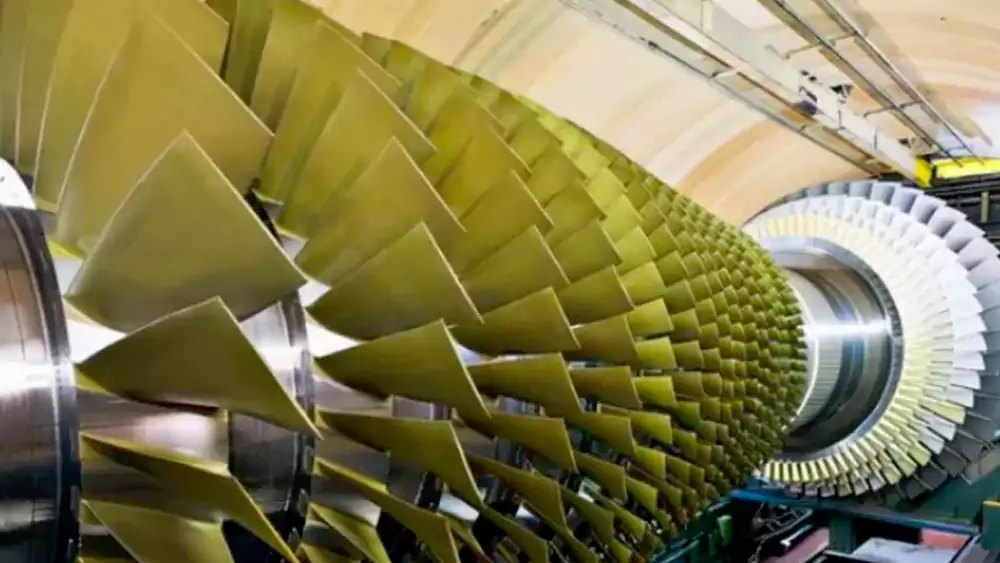
Turbine Blade Operating Environment
When I first started working with turbine components, I quickly realized how severe their operating conditions were. A turbine blade rotates at very high speed while it sits inside a stream of extremely hot gas.
Typical operating conditions include:
| Condition | Typical Value |
|---|---|
| Operating temperature | 800–1100°C |
| Rotational speed | 3,000–10,000 rpm |
| Mechanical load | High centrifugal stress |
| Environment | Oxidizing combustion gas |
These conditions create multiple risks. Heat weakens most metals. Constant stress stretches the blade. Combustion gases slowly attack the surface through oxidation and corrosion.
Key Properties of Nickel-Based Superalloys
Nickel-based superalloys were developed to solve these problems. Their microstructure remains stable even at very high temperatures.
Important advantages include:
- High creep resistance1 during long-term high-temperature stress
- Excellent oxidation resistance2 in hot gas environments
- Strong mechanical strength at elevated temperatures
- Stable microstructure during long service periods
These properties allow turbine systems to run hotter, which improves engine efficiency.
Common Nickel-Based Superalloys Used in Turbine Blades
Several nickel alloys are widely used in turbine blade manufacturing.
| Alloy | Typical Use | Key Advantage |
|---|---|---|
| Inconel 713C | Industrial gas turbines | Good castability |
| Inconel 718 | Aerospace turbine components | High strength |
| Rene 80 | High-performance turbine blades | Excellent creep resistance |
| CMSX-4 | Single-crystal turbine blades | Extreme temperature capability |
Even with these advantages, I always remind customers of one fact: a strong alloy does not solve every turbine challenge.
Does High Temperature Capability Mean Unlimited Performance?
Many engineers assume that once a turbine blade uses a superalloy, it can tolerate almost any temperature. That assumption often leads to unrealistic design expectations.
High temperature capability does not mean unlimited performance because nickel superalloys still experience creep, oxidation, and thermal fatigue when operating temperatures rise. Cooling systems, coatings, and careful operating limits remain essential for turbine blade durability.
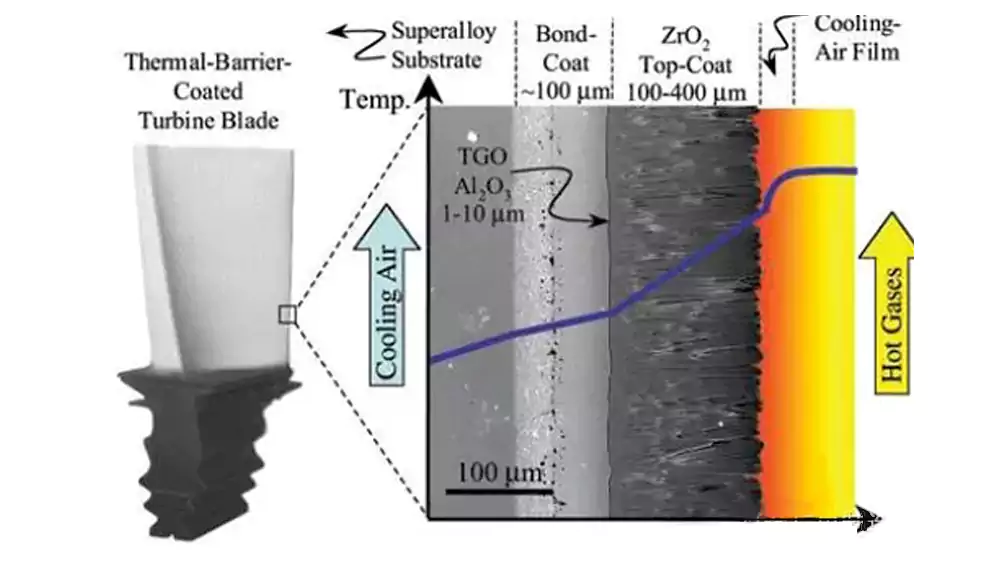
Temperature Limits of Nickel Superalloys
All metals follow basic material laws. Nickel superalloys resist creep well, but creep still increases rapidly when temperature rises.
For example, a turbine blade designed to survive 20,000 hours at 950°C may only survive 5,000 hours at 1050°C. This sharp reduction in service life forces engineers to control the metal temperature carefully.
To solve this problem, turbine designers use several technologies:
- Internal cooling channels inside the blade3
- Film cooling holes on the blade surface
- Ceramic thermal barrier coatings (TBC)4
These methods reduce the metal temperature even when combustion gas temperatures exceed the alloy limits.
Common Failure Modes in Turbine Blades
During failure investigations over the years, I repeatedly observed several common problems.
| Failure Mode | Typical Cause |
|---|---|
| Creep deformation | Long-term exposure to high temperature stress |
| Thermal fatigue | Repeated heating and cooling cycles |
| Oxidation damage | Chemical reaction with hot combustion gases |
| Hot corrosion | Sulfur or salt contamination in the gas stream |
These failure modes show why material selection alone cannot guarantee durability.
Why Cooling Design Matters
Modern turbine blades often contain complex internal cooling structures. These passages guide cooler air through the blade body. Small film cooling holes then release air onto the blade surface.
These cooling systems protect the metal and slow down oxidation damage. Because of this, turbine performance always depends on three combined factors:
material selection, cooling design, and manufacturing precision.
Why Is Manufacturing Nickel Superalloy Turbine Blades So Difficult?
Many people outside the foundry industry believe that casting a metal part is simple. In reality, turbine blade production is one of the most complex manufacturing tasks in metal engineering.
Nickel-based superalloy turbine blades are difficult to manufacture because the alloys are challenging to cast, difficult to machine, and highly sensitive to heat treatment and microstructure control.
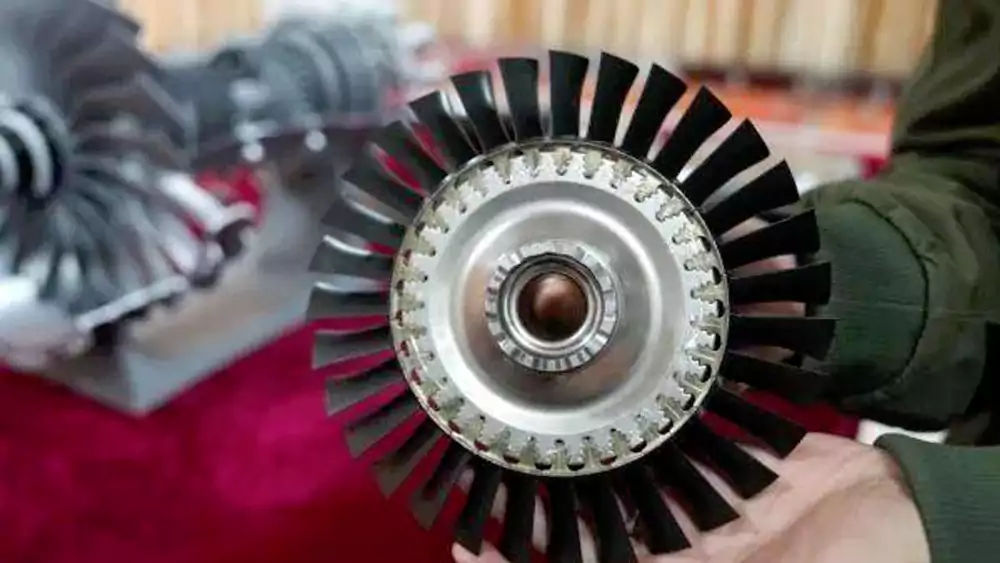
Why Investment Casting Is Widely Used
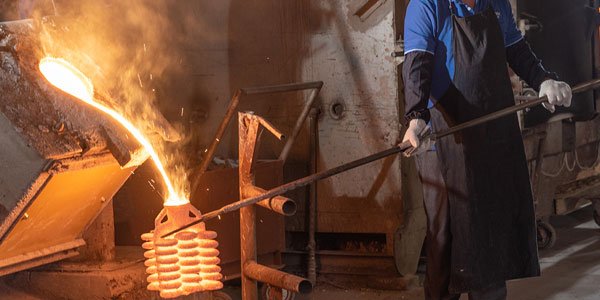
Most turbine blades are produced through precision investment casting. This process allows the production of complex shapes that cannot be achieved through machining alone.
Typical turbine blade features include:
- Thin aerodynamic airfoil sections
- Curved blade surfaces
- Internal cooling channels
Advanced casting methods such as directional solidification or single-crystal casting5 further improve high-temperature performance.
Manufacturing Challenges
| Manufacturing Process | Key Difficulty |
|---|---|
| Investment casting | Controlling shrinkage and porosity |
| Heat treatment | Maintaining correct microstructure |
| CNC machining | Severe tool wear |
| Cooling hole drilling | Maintaining precision and surface quality |
Why Nickel Superalloys Are Hard to Machine
When I machine nickel alloys, three problems appear almost immediately.
First, the material work hardens quickly during cutting. Second, cutting heat builds up rapidly because the alloy has low thermal conductivity. Third, cutting tools wear extremely fast.
These problems increase machining cost and require careful process optimization.
Case Study: Custom Industrial Turbine Blade
Several years ago, I worked on a custom turbine blade project for an industrial gas turbine manufacturer. The blade required both investment casting and precision machining.
| Parameter | Value |
|---|---|
| Alloy | Inconel 713C |
| Casting weight | 1.8 kg |
| Blade length | 165 mm |
| Minimum wall thickness | 2.2 mm |
| Operating temperature | 980°C |
| Machining tolerance | ±0.02 mm |
| Cooling hole diameter | 0.8 mm |
The project required investment casting followed by 5-axis CNC machining and EDM drilling. Tool wear during blade root machining became the biggest challenge. We solved this by adjusting cutting parameters and using coated carbide tools designed for nickel alloys.
Engineering Insight
From my experience, turbine blade manufacturing requires a balance between material performance and manufacturability. Nickel superalloys provide excellent high-temperature strength. However, they also increase machining complexity and tooling cost. Early collaboration between design engineers and manufacturers helps avoid unnecessary geometry complexity and improves production efficiency.
What Design Factors Matter in Custom Turbine Blade Manufacturing?
Many turbine blade problems actually begin in the design stage. I have seen many CAD models that looked impressive but caused serious manufacturing issues later.
Successful turbine blade design must consider manufacturability, casting limits, and machining requirements. Early collaboration with a manufacturing partner can reduce production risks and improve final component reliability.
Geometry vs Manufacturability
Turbine blades often contain very complex geometry. These shapes improve aerodynamic performance but also increase casting difficulty.
Typical challenges include:
- Thin wall sections
- Complex curvature
- Internal cooling structures
Extremely thin sections make metal flow difficult during casting. This can create porosity or incomplete filling.
Tolerance and Surface Requirements
Some turbine blade areas require very strict dimensional control.
| Blade Area | Requirement |
|---|---|
| Blade root | Accurate fit to turbine disk |
| Airfoil surface | Smooth aerodynamic finish |
| Blade tip | Controlled clearance |
CNC machining is typically required to achieve the final surface tolerances for turbine blades.
Design for Investment Casting
From my experience in the foundry, several design rules greatly improve casting success.
Important factors include:
- Proper shrinkage allowance
- Draft angles for mold removal
- Avoiding thermal hot spots in thick sections
Ignoring these factors often leads to casting defects or expensive redesign work.
Early Manufacturing Collaboration
I always encourage engineers to involve manufacturers early in the design stage. When designers and foundries work together, they can identify potential production problems before tooling begins.
For turbine blade projects, early collaboration improves manufacturability, reduces lead time, and increases overall component reliability. Many customers also explore our Custom Turbine Blade Manufacturing capabilities to understand how precision casting and machining integrate into a complete production solution.
Conclusion
Nickel superalloys enable turbine blades to survive extreme temperatures. Yet real turbine reliability comes from the right material, precise manufacturing, and smart design working together.
Nickel superalloys give you the temperature capability on paper. We give you the confidence that it will hold up in the turbine.
-
Explore this to understand how turbine blades withstand long-term high-temperature stress, crucial for durability. ↩
-
Learn why oxidation resistance is vital for protecting turbine blades from corrosive combustion gases. ↩
-
Explore this link to understand how internal cooling channels help maintain turbine blade temperature and extend service life. ↩
-
Learn about ceramic TBCs and their role in reducing metal temperature to prevent turbine blade failure. ↩
-
Understand how advanced casting methods enhance high-temperature performance and durability of turbine blades. ↩